Levers Auto
A car can look dependable in the driveway, yet a sudden collision can bring repair bills, medical costs, and difficult decisions. Car insurance is a contract that can help cover certain losses after an accident or other covered event. The details matter: protection depends on the policy, exclusions, limits, and circumstances. A cracked headlight is visible. The financial impact behind it may be much larger.
Why do cars need insurance? Because driving creates risks for drivers, passengers, pedestrians, and property owners. Insurance can reduce the financial burden when a covered loss occurs, though it cannot prevent a crash or guarantee every expense will be paid. Requirements and policy terms vary by location, so drivers should check reliable local guidance and read their policy carefully. Loretta Worters, vice president of media relations at the Insurance Information Institute, has discussed auto insurance as protection against the financial consequences of accidents; put simply, it can help keep one unexpected event from becoming an overwhelming bill. That is a paraphrase, not a direct quotation. This distinction matters. A useful introduction should explain what coverage does, what it may not do, and how drivers can compare options without assuming every policy is the same. Real protection starts with clear questions. And careful reading.
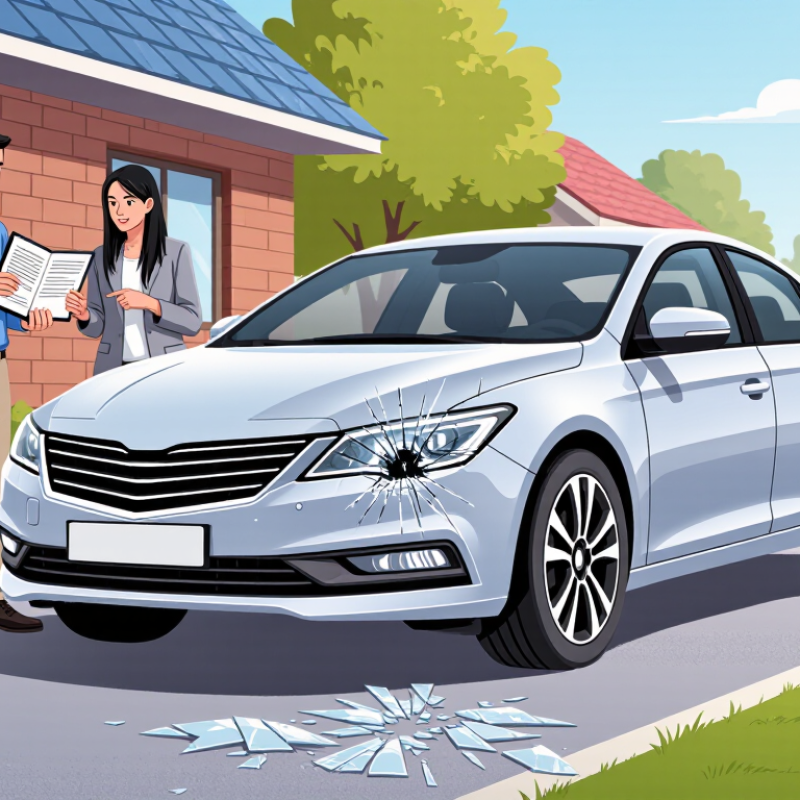
Car insurance is a contract that helps pay for certain costs after a crash or other covered event. A driver pays a premium, usually monthly or yearly, and the insurer pays eligible claims under the policy’s terms. Coverage varies by location and policy, so two drivers may not have the same protection.
Liability coverage can help pay for injuries or property damage a driver causes to others. It generally does not repair the policyholder’s own car. That matters. Collision coverage may help repair or replace the insured car after a crash, while comprehensive coverage may apply to events such as theft, hail, or a falling branch. Deductibles, limits, and exclusions affect what the insurer pays. Not every loss.
Some policies also include medical expense or personal injury coverage, depending on local rules and the selected plan. A policy’s declarations page lists key limits and deductibles; reading it can reveal gaps before a claim happens. It is easy to assume “covered” means every bill is paid, but that is rarely a safe assumption. For example, a repair estimate above the car’s value may lead to a different settlement than expected. Check the written terms, especially for rental costs, glass damage, and items kept inside the car.
Car insurance is a financial agreement that helps cover losses after a vehicle-related accident. Legal responsibility makes it necessary. In many places, drivers must carry minimum liability coverage before using public roads. Exact requirements differ by location, but the principle is similar: if your car injures someone or damages property, you may be responsible for the costs.
Imagine a rainy intersection. Your vehicle slides into another car, damaging its door and injuring the driver’s wrist. Liability insurance may help pay for repairs, medical treatment, and legal expenses, up to the policy limit. Without coverage, those bills could come from your savings or future income. It is not merely paperwork. Driving without required insurance can bring fines, license restrictions, or other legal consequences.
Many people assume a careful driver never needs insurance. That assumption is flawed. Weather, road conditions, and another driver’s actions can create risks outside your control. Liability coverage usually protects others, not every repair to your own car. Collision or comprehensive coverage may address different losses, depending on the policy. Read the coverage limits and exclusions carefully. Small details matter. A policy may not respond as expected after incorrect vehicle information, an excluded driver, or missed payments. Check local rules and ask a licensed insurance professional when the wording feels unclear.
| Situation or Responsibility | What the Driver May Be Responsible For | How Car Insurance Can Help | Important Consideration |
|---|---|---|---|
| A driver causes a collision that injures another person | The at-fault driver may be legally responsible for covered injury-related losses, subject to the law and facts of the accident. | Auto liability coverage may pay covered claims for bodily injury to other people, up to the policy limits. | Liability coverage generally protects others, not the policyholder’s own injuries. Coverage terms and limits apply. |
| A driver damages another person’s vehicle or property | The driver may have to pay for covered damage for which they are legally responsible. | Property damage liability coverage may pay for covered damage to another person’s vehicle or property, up to the policy limit. | Required minimum coverage and rules differ by jurisdiction, and minimum limits may not cover every loss. |
| A vehicle owner must meet local financial-responsibility rules | Depending on the jurisdiction, an owner or driver may need to show insurance or another accepted form of financial responsibility. | An active policy and proof-of-insurance document can help demonstrate that required coverage is in place. | Insurance requirements, accepted proof, and penalties for noncompliance vary by location. |
| The insured vehicle is damaged in a collision | The owner may need to pay repair or replacement costs when another party is not responsible or cannot be identified. | Collision coverage may help pay to repair or replace the insured vehicle after a covered collision. | Collision coverage is generally optional under law, though a lender or leasing contract may require it. A deductible usually applies. |
| The insured vehicle is damaged by a non-collision event | The owner may face costs from events such as theft, fire, hail, or falling objects. | Comprehensive coverage may help pay for covered damage from certain non-collision events. | Coverage depends on the policy’s terms, exclusions, and deductible; this coverage does not replace liability insurance. |
| The at-fault driver has no insurance or insufficient coverage | An injured person may have difficulty recovering losses from the responsible driver. | Uninsured or underinsured motorist coverage may help with specified losses, if included and applicable. | Availability, required or optional status, and covered losses vary by jurisdiction and policy. |
| A claim is made after an insured accident | The parties may need to establish what happened, who was responsible, and which losses are covered. | The insurer may investigate and handle covered claims under the policy, including arranging payment within applicable limits. | Insurance does not remove legal responsibility, guarantee payment for every loss, or cover amounts excluded by the policy. |
Note: Insurance laws and policy requirements vary by jurisdiction. Check local rules and the policy wording to confirm required coverage, limits, deductibles, and exclusions.
Car insurance is a financial safety net for drivers, passengers, and other road users. Liability insurance generally pays for injuries or property damage you cause, subject to policy limits. Requirements differ by jurisdiction. The National Highway Traffic Safety Administration reported 40,901 traffic deaths in 2023, showing why financial protection matters. One serious crash can create medical bills, repair costs, and lost income within hours.
Different coverages solve different problems. Collision coverage helps repair or replace your vehicle after a crash, even when you caused it. Comprehensive coverage addresses non-collision damage, such as theft, hail, flooding, or a fallen branch. Medical payments or personal injury protection can help with treatment expenses, depending on local rules. Uninsured or underinsured motorist coverage may respond when the responsible driver has no insurance or insufficient limits. The Insurance Research Council estimated that 14% of motorists were uninsured in 2022. That risk is easy to underestimate.
Deductibles matter. A lower deductible usually means a higher premium. A higher deductible may reduce monthly costs, but it can hurt after a sudden loss. Coverage limits matter more than many people expect. Basic protection may look affordable until a severe injury claim exceeds the limit. Policies are not always easy to read. Ask about exclusions, rental costs, depreciation, and roadside assistance before choosing. Small gaps can become expensive surprises. No policy removes every risk. Review it after buying a car, moving, or changing your driving habits.
Car insurance transfers part of a vehicle owner’s financial risk to an insurer. Pricing begins with the car, but it never ends there. The National Association of Insurance Commissioners reported an average U.S. auto insurance expenditure of about $1,438 in 2022. That figure hides major differences between states, drivers, and coverage choices.
Insurers examine repair costs, theft frequency, safety performance, claim data, and replacement-part prices for each vehicle. A car with advanced sensors may look safer, yet one damaged bumper can require calibration after repairs. Highway Loss Data Institute studies also show that claim frequency and injury outcomes vary across vehicle types. Driver history matters heavily. So do age, location, annual mileage, parking conditions, chosen limits, and the deductible. Credit-based insurance scores may influence rates where state rules permit them. A higher deductible usually lowers the premium, but it increases the driver’s immediate repair burden.
The calculation is not perfectly transparent. It is actuarial, not personal. Regional weather, traffic density, and medical costs can shift prices even for identical vehicles. I have found that online estimates often feel precise, while the final quote changes after mileage or garaging details are corrected. That is a useful warning. Compare identical coverage limits, ask which factors changed, and check the policy documents carefully before judging one price against another.
Car insurance protects drivers from costs after crashes, theft, weather damage, or injuries. Liability coverage usually pays for harm you cause to others. Collision coverage addresses damage from an accident, while comprehensive coverage may protect against theft, flooding, or falling objects. Requirements and available options differ by location.
Choosing suitable cover begins with your actual driving habits. A daily commuter may need stronger protection than someone driving occasionally. Check the liability limits, deductible, exclusions, repair conditions, and claims process. A low premium can look attractive, but a high deductible may strain your budget after a small collision. Compare several written quotes with the same coverage limits. Small details matter.
In practice, keep your policy details, registration, and emergency contacts accessible in your vehicle or phone. Take clear photos after an incident, if it is safe, and record the time, location, and visible damage. Report the event promptly according to the policy instructions. Do not guess about coverage. Ask for written clarification. I have noticed that many drivers focus only on price and overlook temporary transport or glass protection. That choice may save money today, yet create frustration later. Review the policy after moving, changing vehicles, or adding a regular driver. Read every exclusion.
It can help pay for injuries, vehicle damage, and property damage after a covered event. Coverage depends on policy limits and local rules.
Liability coverage generally pays for injuries or property damage you cause to others. It does not usually repair your own vehicle.
Collision coverage can help repair or replace your vehicle after a crash. It may apply even when you caused the accident.
Comprehensive coverage may address theft, hail, flooding, or a fallen branch. These events do not involve a collision.
It may help when the responsible driver has no insurance or insufficient coverage. That risk is easy to underestimate.
A lower deductible often increases the premium. A higher deductible may reduce monthly costs but require more cash after damage. That trade-off can hurt during a sudden loss.
Basic limits may seem affordable until a serious injury claim exceeds them. Medical bills and lost income can grow within hours.
Insurers may consider repair costs, theft rates, safety results, and replacement-part prices. Driver history, location, mileage, parking, and deductibles also matter.
Regional weather, traffic levels, medical costs, and driving history can change prices. Online estimates may look exact. They can still change.
Ask about exclusions, rental costs, depreciation, roadside assistance, limits, and deductibles. Review the policy after buying a car, moving, or changing driving habits.
Car insurance is a financial agreement that helps protect drivers from the costs of accidents, theft, weather damage, and other unexpected events. Depending on the policy, it may cover repairs to your own vehicle, damage to another person’s property, medical expenses, or legal claims resulting from a collision. Why do cars need insurance? Because driving involves risk, and insurance helps ensure that drivers can meet their financial responsibilities when an accident occurs.
Different types of coverage provide different levels of protection, such as liability, collision, comprehensive, and coverage for injuries or uninsured drivers. Insurance costs are usually calculated according to factors such as the vehicle’s value, safety features, repair expenses, driving history, location, and expected use. To choose a suitable policy, drivers should compare coverage limits, deductibles, exclusions, and payment options. They should also keep their information accurate, understand the claims process, and review their policy regularly as their needs change.
