Levers Auto
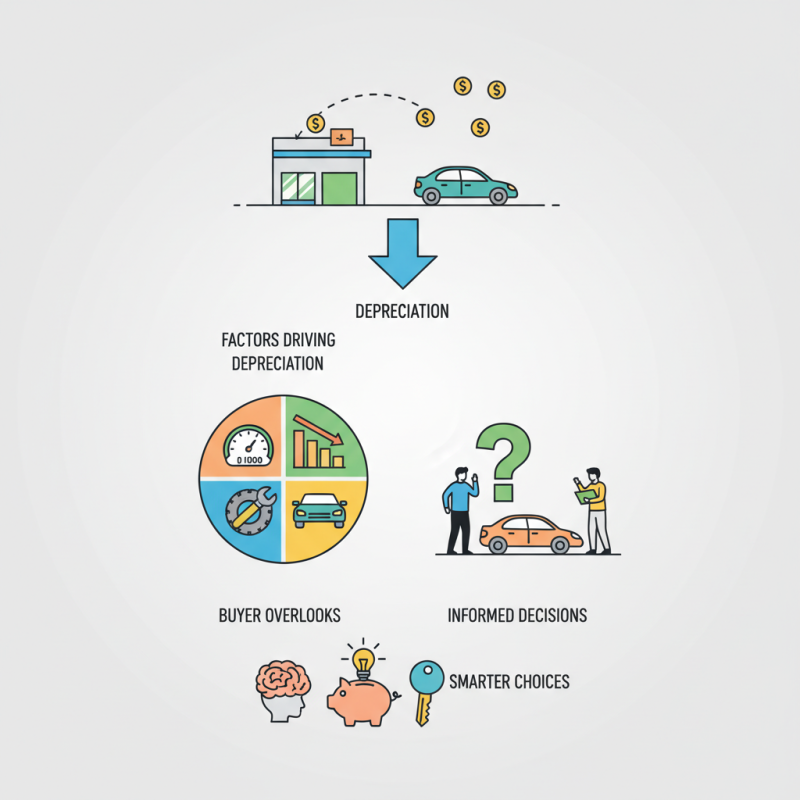
Cars lose value right after purchase. This phenomenon raises an important question: "Why do cars lose value so quickly?" New cars experience rapid depreciation, often shedding thousands of dollars in the first year. This drop can be surprising for many buyers. It's essential to understand the factors driving this trend.
One key reason is that new cars depreciate once they leave the dealership. The moment you drive off, the vehicle is considered used, which impacts its resale value. Additionally, factors like mileage, wear and tear, and market demand also play significant roles. For instance, a car that was once highly sought after can quickly lose appeal as new models are released.
Buyers often overlook this crucial aspect. They focus on features and financing options, not realizing the long-term effects of depreciation. Understanding "Why do cars lose value so quickly" helps consumers make informed decisions. It prompts reflection on the true costs of car ownership and encourages smarter purchasing choices.
The rapid depreciation of cars is a reality many buyers face. Data shows that a
new car can lose 20% to 30% of its value within the first year alone.
This is often due to factors like supply and demand dynamics and market saturation.
When a new model hits the market, the value of existing vehicles typically drops. This can be frustrating for owners
who expect their vehicles to retain value.
Factors such as mileage and condition play a significant
role in determining depreciation. Cars with higher mileage tend to lose value more swiftly.
Industry reports indicate that every mile driven can reduce a vehicle’s value significantly.
Another crucial aspect is the initial purchase price.
Luxury vehicles may seem appealing, but they also depreciate quickly. In fact, some studies suggest high-end cars
can lose up to 50% of their value in three years.
Consumer expectations can further complicate the issue. Many buyers are unaware of these
depreciation trends. This often leads to disappointment when they try to resell their cars.
A lack of understanding about market trends and vehicle life cycle can result in misinformed decisions.
It’s essential to research and reflect on these factors to make smarter purchasing choices.
The valuation of vehicles is heavily influenced by the principles of supply and demand. When a new model hits the market, initial demand can be high. Buyers often flock to dealerships, eager to own the latest version. However, the moment a car leaves the lot, its perceived value drops significantly. This phenomenon can be puzzling yet predictable.
Once a vehicle is purchased, it adds to the supply already available in the market. With more cars available, the value typically declines. Many potential buyers hesitate, knowing that prices drop sharply once cars are sold as used. This leads to a surplus of options, further driving prices down. Additionally, societal attitudes toward depreciation play a significant role. In many cases, owning a newer model is more desirable, diminishing interest in slightly older vehicles.
There’s another layer to consider: the rapid pace of technological advancements. New features and enhancements are introduced regularly, making last year's model seem outdated. This can create a sense of urgency among consumers, pushing them to seek the latest models. As a result, the market can become saturated with vehicles that lose value quicker than anticipated, raising questions about the sustainability of current purchasing trends.
When considering vehicle depreciation, the model and brand play significant roles. According to a recent industry report, luxury cars typically experience steeper declines in value within the first three years, often losing up to 50% of their initial price. This quick depreciation occurs because buyers perceive luxury vehicles as status symbols, leading to an initial surge in demand that wanes rapidly after purchase. As newer models are introduced, last year's luxury vehicle becomes less appealing.
In contrast, some brands are known for retaining their value better over time. Statistical data suggests that vehicles from these brands can maintain around 60% of their original value after five years. Factors such as reliability, brand reputation, and resale market performance contribute to this retention. For instance, vehicles that report lower maintenance costs and higher fuel efficiency tend to hold their value longer.
However, it's important to note that not all models within a brand have the same depreciation curve. For example, specific models may experience less buyer interest post-purchase, regardless of their brand reputation. Consumers should investigate historical depreciation trends before making a purchase. Understanding these nuances can lead to more informed decisions that balance initial investment and potential resale value.
The first few years after purchasing a car are crucial for its value. Many buyers are surprised to learn that new vehicles can lose up to 20% of their value within the first year. This rapid depreciation is driven by several factors. One primary reason is the perception of a car's worth immediately after it leaves the dealership. Once a car is sold, it transitions from a new asset to a used one.
In the subsequent years, depreciation continues at about 15% to 20% annually. This means that by the end of five years, a car may only be worth 40% of its original price. Various factors contribute to this decline. Market demand shifts, new models are introduced, and technology advances quickly. Additionally, wear and tear will influence the car's condition, affecting resale value. Buyers often overlook these elements during the purchasing process.
Potential owners should reflect on their choices. Not all vehicles depreciate at the same rate. Researching models with historically better resale values can make a significant difference over time. Evaluating long-term ownership costs versus short-term depreciation is essential before committing. Understanding the nuances of car depreciation helps buyers make informed decisions in the competitive automotive market.
The following chart illustrates the depreciation of a typical vehicle over the first five years after purchase. The values indicate the percentage of the original value retained at the end of each year.
Cars lose value quickly after purchase, with a significant influence from maintenance and condition. According to a study by the Automotive Leasing Guide, vehicles can depreciate up to 20% in the first year alone. This rapid loss can be attributed to various factors, including the vehicle's upkeep and overall state.
Regular maintenance is crucial. A well-maintained car can retain up to 10% more value compared to its neglected counterpart. For example, oil changes, timely tire rotations, and regular inspections can prevent costly repairs and enhance resale appeal. Keeping detailed service records provides potential buyers with confidence, showcasing a car's history of care.
**Tip:** Use high-quality products for maintenance. This positively impacts your car's longevity and condition. Small investments in your vehicle's upkeep can lead to higher returns.
Condition matters. A clean, damage-free exterior and interior can sway potential buyers significantly. Minor scratches can diminish resale value by over $500. This emphasizes the importance of regular cleaning and prompt repairs on small blemishes.
**Tip:** Consider professional detailing before selling. This can create a strong first impression and justify a higher asking price.
| Car Model | Initial Price ($) | Current Value ($) | Depreciation (%) | Maintenance Score (1-10) | Condition |
|---|---|---|---|---|---|
| Model A | 30,000 | 22,000 | 26.67 | 8 | Good |
| Model B | 25,000 | 18,000 | 28.00 | 7 | Fair |
| Model C | 40,000 | 30,000 | 25.00 | 9 | Excellent |
| Model D | 15,000 | 10,500 | 30.00 | 6 | Poor |
| Model E | 35,000 | 25,500 | 27.14 | 7 | Good |
: New cars can lose 20% to 30% of their value within the first year. Market saturation affects this.
Higher mileage vehicles lose value faster. Every mile driven reduces a car’s worth significantly.
No, some vehicles depreciate more slowly. Researching resale values can help buyers.
When new models are released, existing vehicles often lose value. Increased supply results in lower prices.
Buyers may be unaware of depreciation trends. This ignorance can lead to disappointment when reselling a car.
Owners should reflect on their long-term costs and model depreciation rates before making a decision.
Societal attitudes favor newer models, which diminishes interest in slightly older vehicles.
Continuous advancements make older models feel outdated, increasing demand for newer versions.
Most significant depreciation happens in the first few years after purchase, especially within the first year.
After five years, a car may only be worth around 40% of its original price due to ongoing depreciation.
The article "Why Do Cars Lose Value So Quickly After Purchase?" explores the various factors that contribute to the rapid depreciation of vehicles. One significant factor is the initial depreciation that occurs as soon as a car leaves the dealership, influenced by the dynamics of supply and demand in the market. For many vehicles, this can mean losing a substantial portion of their value within the first few years.
Additionally, the model and brand of a vehicle play crucial roles in determining depreciation rates, with some models retaining their value better than others. The timeframe of depreciation is particularly evident in the first few years of ownership, where resale values drop sharply. Moreover, the maintenance and overall condition of the car impact how much value it retains over time. Understanding these elements can help consumers make informed decisions regarding their vehicle purchases and potential resale values.