Levers  Auto Levers Auto

7 Tips for Choosing New vs Used Cars Worldwide?

Time:2026-10-15 Author:Charlotte
0%

Choosing a vehicle now requires more than comparing showroom prices. How to choose between new and used cars depends on budget, driving habits, local supply, warranty coverage, and long-term ownership risks. A new car may offer stronger safety technology, predictable maintenance, and cleaner financing terms. A used car can reduce the purchase price, but its service history matters greatly.

Industry data shows why this decision deserves careful research. Cox Automotive’s 2024 Used Vehicle Market Report estimated approximately 36.2 million used-vehicle retail sales in the United States, compared with about 15.7 million new-vehicle sales. Used cars clearly dominate many purchasing decisions. However, S&P Global Mobility reported that the average age of U.S. light vehicles reached 12.6 years in 2024. Older vehicles may require suspension repairs, cooling-system work, or replacement tires sooner than expected.

The global picture is also changing. The International Energy Agency’s Global EV Outlook 2024 reported nearly 14 million electric-car sales worldwide in 2023. This introduces another comparison: a new electric vehicle may provide updated software and battery warranties, while a used model may offer a lower entry price. Battery condition remains a crucial inspection point.

Real ownership experience often exposes overlooked costs. A low-priced used hatchback may need a clutch, brake discs, and a timing-belt service within one year. A new SUV may lose value quickly after purchase. Neither option is automatically better. Numbers can mislead.

This guide examines seven practical tips, including total ownership cost, inspection quality, depreciation, financing, safety equipment, warranty terms, and regional availability. The best decision is not always the newest car or the cheapest one. It is the vehicle that fits your actual life.
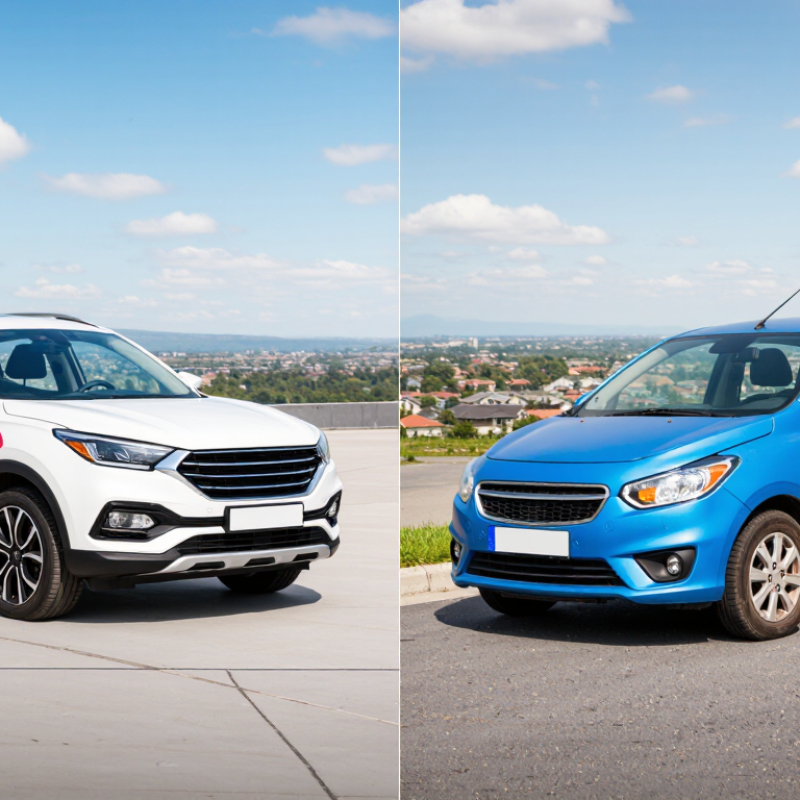
7 Tips for Choosing New vs Used Cars Worldwide?

Define Your Driving Needs, Budget, and Local Car Market

Choosing between a new and used car starts with your driving needs, not the showroom price. Count your weekly trips, passenger space, cargo demands, and typical road conditions. A small car may suit narrow city streets, while rough rural roads require stronger ground clearance. Think about climate too. Hot weather, heavy rain, snow, and coastal air can affect maintenance needs.

Set a complete budget before comparing vehicles. Include insurance, fuel, servicing, registration, taxes, and unexpected repairs. A used car may cost less initially but need tires, brakes, or battery work soon. A new car usually offers predictable early maintenance, yet monthly payments can pressure your finances. Leave room for mistakes. Real ownership rarely matches the first spreadsheet.

Your local car market matters more than online reviews from another country. Check the availability and price of common parts, qualified technicians, warranty support, and reliable inspection services. Local resale demand can also affect long-term value. For a used vehicle, examine service records, cold-start behavior, panel gaps, tire wear, and warning lights. A professional inspection is worth paying for. Import history may complicate repairs or registration. I would also compare prices across several nearby sellers, because market assumptions can be wrong. Take a short test drive on familiar roads. Listen carefully. Then ask whether the car still fits your life after three ordinary years.

Compare Total Ownership Costs for New and Used Vehicles

7 Tips for Choosing New vs Used Cars Worldwide?

Compare Total Ownership Costs for New and Used Vehicles

The purchase price is only the opening figure. Compare insurance, registration fees, financing interest, fuel use, servicing, taxes, and expected resale value. These costs vary sharply between countries and cities. A new vehicle may include stronger warranty protection, but its first-year depreciation can be severe. A used vehicle usually costs less upfront, yet older tires, brakes, or suspension parts can quickly change the calculation.

Build a three-year ownership estimate before visiting a seller. Add the monthly payment, routine service, annual insurance, parking, and emergency repairs. Ask an independent mechanic to inspect the used vehicle, especially its cooling system, underbody, and maintenance records. A small inspection fee can prevent a large repair bill. Still, inspection reports are not perfect. Hidden problems happen.

Fuel economy deserves real-world testing. A short city commute may cost more than official figures suggest, particularly in heavy traffic or hot weather. Check whether replacement parts are widely available in your area. Warranty terms also need careful reading, because coverage may exclude wear items and roadside labor. I once underestimated seasonal tire costs; the spreadsheet looked convincing, but the local climate disagreed. Leave room for uncertainty. A realistic budget should include a repair reserve, not just optimistic assumptions.

Evaluate Vehicle History, Condition, Safety, and Reliability

7 Tips for Choosing New vs Used Cars Worldwide?
Tip 1:
Verify the vehicle’s identity and history. Use official registration records, inspection certificates, recall databases, and service invoices. A clean report is helpful, but it is not proof. Imported vehicles may have missing records or altered mileage.
Tip 2:
Inspect condition in daylight. Check uneven paint, rust beneath doors, worn pedals, cracked tires, and fluid leaks. Ask an independent technician to scan the vehicle electronically and inspect its frame. This cost is small compared with an unsafe purchase. The 2024 J.D. Power Vehicle Dependability Study reported 190 problems per 100 vehicles after three years, showing why age and maintenance deserve careful attention. That study reflects one market, not every country.
Tip 3:
Compare safety evidence, not advertising. Review results from independent programs such as Euro NCAP, ANCAP, or IIHS. Check crash protection, pedestrian protection, emergency braking, and child safety. Safety equipment can vary by country and model year. The World Health Organization estimates about 1.19 million road deaths globally each year, so safety should outweigh attractive styling.
Tip 4:
Test reliability through evidence. Match the service schedule with mileage, ownership records, and inspection findings. New cars usually offer clearer warranties, while used cars may provide better value. Still, a low price can hide expensive repairs. I would not rely on one report alone. No checklist is perfect. Combine history, condition, safety ratings, and a professional inspection before deciding.

Check Financing, Insurance, Taxes, Warranties, and Import Rules

7 Tips for Choosing New vs Used Cars Worldwide

Tip 1: Compare total financing costs, not monthly payments. Add interest, deposit, fees, and currency risk. Financing rates can change quickly.

Tip 2: Request insurance quotes before signing. Coverage prices depend on age, engine size, theft rates, and repair costs. The Insurance Information Institute warns that vehicle value is only one pricing factor.

Tip 3: Check taxes carefully. OECD Revenue Statistics 2024 reports that goods and services taxes averaged 10.8% of OECD GDP in 2022. Registration taxes, sales taxes, and annual charges may make a cheap used car expensive.

Tip 4: Read the warranty conditions line by line. Confirm mileage limits, repair locations, and parts coverage. A warranty can exclude batteries, electronics, or imported vehicles.

Tip 5: Investigate maintenance history. Ask for dated invoices, inspection records, and odometer evidence. A clean-looking car can still hide flood damage or costly repairs. I have seen buyers trust photographs too much. That is a mistake.

Tip 6: Verify import rules before paying a deposit. Check emissions standards, steering position, customs duty, port charges, and registration deadlines. Rules differ sharply between neighboring countries.

Tip 7: Compare resale demand and technology risk. The International Energy Agency’s Global EV Outlook 2024 recorded more than 14 million electric-car sales in 2023. Battery testing matters, especially for older used electric cars. A certified inspection is useful, but never perfect. Ask what it excludes.

Inspect, Test-Drive, Negotiate, and Complete the Purchase Safely

Choosing a new or used car worldwide depends on condition, support, and total cost, not only the sticker price. A new car usually offers predictable maintenance and clearer warranty terms. A used car may provide better value, but its history can hide expensive repairs. Tip: Inspect in daylight. Check panel gaps, tire wear, fluid leaks, warning lights, and the spare-wheel area. Ask for service records and match the vehicle identification number with every document. I once trusted a clean exterior too quickly; that mistake taught me to inspect underneath.

Take a test drive on quiet streets and rougher surfaces. Test cold starting, braking, steering, gear changes, lights, air conditioning, and parking sensors. Listen for clicks, vibration, or uneven acceleration. Keep the radio off. If possible, arrange an independent mechanic’s inspection. A seller may seem honest, yet memory and pressure can distort judgment. Tip: Never rush the drive. Walk away if basic questions receive vague answers or the dashboard shows unexplained warnings.

Before negotiating, compare several similar listings in the same region. Include taxes, registration, insurance, transport, fuel, and likely repairs. Ask for the final written price and payment conditions. Confirm ownership, mileage, inspection status, and any outstanding finance through appropriate official channels. Do not hand over money before reviewing the contract and receiving valid transfer documents. Use a traceable payment method where practical. I sometimes focus too much on a lower price; a safer deal can cost slightly more. Tip: Keep copies of every document.

7 Tips for Choosing New vs Used Cars Worldwide

Typical vehicle value retention after purchase can help buyers compare the immediate depreciation risk of a new car with the lower entry price of a used car. Actual results vary by country, vehicle type, mileage, condition, and market demand.

Use an independent inspection, complete a test drive, compare local prices, negotiate using verified condition and history, confirm ownership documents, and complete payment through a secure method.

FAQS

What costs should I compare before choosing a new or used vehicle?

Compare the purchase price, financing interest, insurance, taxes, registration, fuel, servicing, parking, repairs, and resale value. A repair reserve matters.

Why can a used vehicle become expensive quickly?

Older tires, brakes, suspension parts, batteries, or cooling components may need replacement soon. A clean exterior proves little. Inspection reduces risk, but hidden problems can remain.

How can I estimate ownership costs realistically?

Build a three-year estimate before visiting a seller. Include monthly payments, annual insurance, routine service, fuel, parking, and emergency repairs. Leave room for uncertainty.

What should I check during an independent inspection?

Ask the mechanic to examine the cooling system, underbody, fluids, tires, brakes, suspension, warning lights, and maintenance records. Request dated invoices. Inspection reports are useful, not perfect.

What should I test during a test drive?

Test cold starting, braking, steering, gear changes, lights, air conditioning, parking sensors, and acceleration. Drive on smooth and rough surfaces. Keep the radio off. Listen for clicks or vibration.

How can I compare financing offers properly?

Compare the total repayment amount, not only the monthly payment. Add interest, deposits, administrative fees, and possible currency changes. Small fees accumulate.

What warranty details require careful attention?

Check mileage limits, repair locations, covered parts, exclusions, roadside assistance, and claim procedures. Wear items may be excluded. Imported vehicles can have different coverage.

What documents and payment steps help reduce purchase risk?

Match the vehicle identification number with every document. Confirm ownership, mileage, inspection status, and outstanding finance through official channels. Review the final written price. Use a traceable payment method and keep copies.

Conclusion

How to choose between new and used cars depends on your driving habits, financial situation, and local market. Start by identifying how often you drive, what conditions you face, and which features are essential. Then compare the full ownership cost of each option, including the purchase price, depreciation, fuel, maintenance, repairs, insurance, taxes, and financing. A used car may cost less initially, while a new car can offer updated safety features, greater reliability, and warranty coverage.

Before making a decision, review the vehicle’s history, mileage, service records, condition, safety performance, and expected reliability. Check available financing, insurance requirements, taxes, warranty terms, and any import or registration rules in your area. Finally, inspect the car carefully, arrange an independent evaluation when possible, take a thorough test drive, negotiate based on evidence, and complete the paperwork and payment through a secure, documented process. These steps can help you choose confidently and avoid unexpected costs.

Charlotte

Charlotte

Charlotte is a seasoned marketing professional with a deep understanding of the company's portfolio and a passion for elevating its presence in the market. With a keen eye for detail and a commitment to excellence, she ensures that our professional blog is regularly updated with insightful articles......