Levers Auto
Driving safety is a crucial aspect that impacts every individual on the road. It raises a fundamental question: Why is driving safety important for everyone? When we think about safety, we often picture accidents and injuries. However, driving safety extends beyond mere accidents. It influences our mental well-being, our families, and our communities.
Accidents can result in severe emotional trauma. The aftermath can linger long after physical injuries heal. Moreover, one reckless moment could change lives forever. It’s vital to reflect on how our choices affect others. Every driver has a responsibility to create a safer environment. Your habits behind the wheel matter more than you think.
Moreover, the traffic system relies on mutual respect and awareness among all drivers. Safe driving behaviors can prevent chaos on the roads. Imagine an everyday drive without the worry of reckless behavior. When we prioritize safety, everyone benefits. Let’s consider the emotions involved each time we get behind the wheel. Everyone’s well-being depends on our collective commitment to safe driving practices.
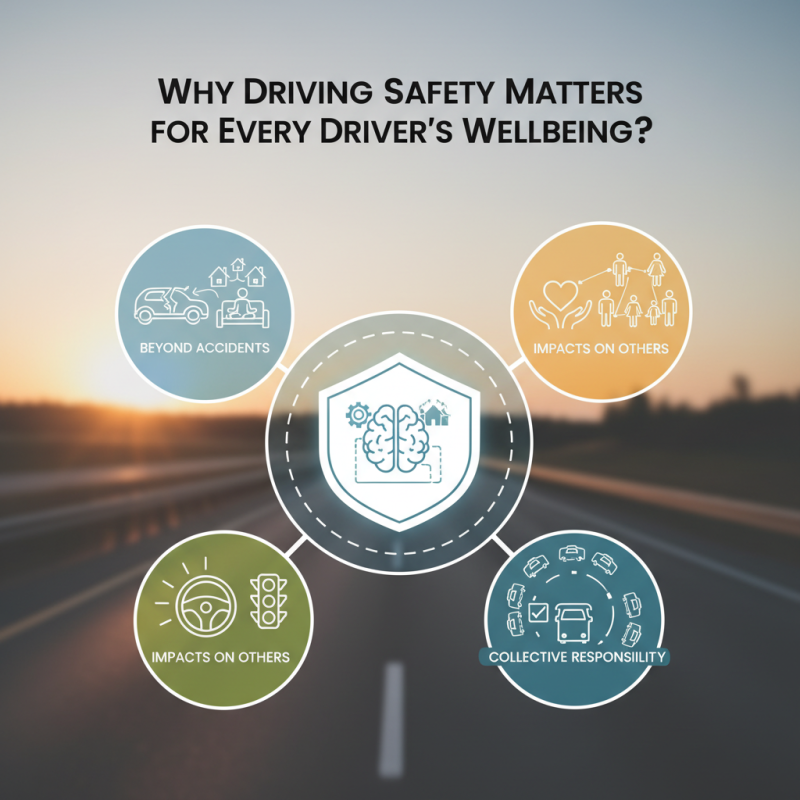
Driving safety is crucial for individual health and wellbeing. According to the National Highway Traffic Safety Administration, nearly 38,000 people lost their lives in traffic crashes in 2020. This staggering number indicates that every driver must prioritize safety. Safe driving practices not only protect physical health but also contribute to mental wellbeing. The stress of an accident can have long-lasting effects, even if injuries are minor.
To enhance driving safety, here are some tips:
Engaging in safe driving habits also promotes responsibility. Each road user plays a part in creating a safer environment. However, many drivers overlook speed limits or fail to use turn signals. These small oversights can lead to accidents, affecting both the driver and others. Reflecting on personal driving habits is vital for improvement. Awareness is the first step towards enhancing safety.
Unsafe driving practices are a significant danger on the roads. According to the National Highway Traffic Safety Administration (NHTSA), over 38,000 fatalities occur each year in the United States due to traffic accidents. A substantial portion of these incidents is linked to behaviors like speeding, distracted driving, and driving under the influence. For example, texting while driving increases the risk of a crash by 23 times. This staggering figure highlights the need for awareness surrounding such distractions.
Speeding is another prevalent unsafe driving practice. The Insurance Institute for Highway Safety (IIHS) reports that nearly one-third of all traffic deaths involve speeding. Drivers may feel a false sense of control. This can lead to serious consequences. A moment of poorly judged speed can alter lives forever, impacting families and communities. Lack of understanding about such risks can create an illusion of safety, which is dangerously misleading.
Moreover, fatigue plays a critical role in unsafe driving. The Centers for Disease Control and Prevention (CDC) states that drowsy driving causes about 6,000 fatal crashes annually. Drivers often underestimate the effects of tiredness. Short breaks or getting adequate sleep can make a difference. A simple error can have severe implications. This reality should encourage all drivers to reevaluate their habits and prioritize safety.
| Risk Factor | Percentage of Drivers Affected | Potential Consequences |
|---|---|---|
| Distracted Driving | 30% | Increased accident risk, injuries, fatalities |
| Speeding | 25% | Higher likelihood of severe collisions |
| Driving Under the Influence | 18% | Legal penalties, accidents, fatalities |
| Reckless Driving | 15% | Collision risks, increased insurance rates |
| Weather Conditions | 10% | Loss of vehicle control, accidents |
Defensive driving is crucial for ensuring road safety. It involves being aware of your surroundings and anticipating potential hazards. According to the National Highway Traffic Safety Administration (NHTSA), 94% of serious crashes are due to human error. This statistic highlights the importance of responsible driving behavior and proactive measures.
Drivers who practice defensive driving can significantly reduce their chances of accidents. The NHTSA reports that reducing speed by just 5 mph can lower the risk of fatal crashes by up to 10%. It's essential to keep safe distances and watch for unexpected actions from other drivers. Yet, many drivers often overlook these fundamental practices. They might engage in distractions or fail to adjust their speed in adverse weather conditions.
Training programs that focus on defensive strategies have proven effective. A study by the American Automobile Association (AAA) shows that participants in defensive driving courses experienced a 10% decrease in collision rates. However, not all drivers take this step. Many continue to drive without proper training, risking their safety and that of others. The choice to remain vigilant can prevent accidents and save lives. Defensive driving is not just a skill; it's a commitment to safety.
Traffic accidents can have severe psychological effects on drivers and passengers. A sudden jolt, the sound of breaking glass, and the smell of smoke create lasting memories. These incidents often lead to anxiety and fear. Drivers may dread getting behind the wheel again. Passengers can feel vulnerable in any vehicle.
Post-accident reactions vary widely. Some individuals experience panic attacks at the mere thought of driving. Others may develop a deep sense of unease. It’s not uncommon to avoid certain routes, haunted by past experiences. These reactions reflect a basic instinct to protect oneself. Yet, they can hinder daily life.
Support systems play a crucial role in recovery. Talking about the experience can help. Sharing feelings may ease the burden. But not everyone seeks help. Some bury their feelings, thinking they can overcome them alone. This can lead to chronic stress and unresolved trauma. Understanding these effects is vital for every driver’s wellbeing.
Driving safety is essential for community wellbeing. According to the National Highway Traffic Safety Administration, nearly 38,000 people lost their lives in motor vehicle crashes in 2020. These tragic events impact families, friends, and entire communities. It highlights the urgent need for safer driving habits among all individuals.
Promoting safe driving begins with education. Schools and local organizations can create programs that teach the importance of wearing seat belts and avoiding distractions. A study showed that seat belts reduce the risk of death by 45%. Additionally, communities can establish awareness campaigns that utilize social media. Shocking statistics can encourage conversation and prompt reflection on personal driving behaviors.
Regular workshops can bring together drivers of all ages. These events can include interactive demonstrations on safe driving techniques. They encourage participants to think critically about their habits. Many drivers might skip using turn signals or check mirrors. Simple reminders can significantly change behaviors and reduce accidents. Despite available resources, not everyone prioritizes driving safety. Each community must work together to reinforce these practices for a safer future.
: Common unsafe practices include speeding, distracted driving, and driving under the influence.
Texting while driving increases crash risk by 23 times, a serious concern for safety.
Nearly one-third of all traffic deaths involve speeding, creating severe consequences for drivers and families.
Drowsy driving causes around 6,000 fatal crashes annually. Fatigue often goes underestimated by drivers.
Traffic accidents can lead to anxiety, feelings of vulnerability, and panic attacks in drivers and passengers.
Some individuals develop a deep sense of unease and fear, leading them to avoid driving altogether.
Support systems can ease burdens by allowing individuals to share feelings and discuss their experiences.
Not seeking help can lead to chronic stress and unresolved trauma, impacting recovery and wellbeing.
Understanding these effects is vital for every driver's wellbeing and safety on the road.
Drivers should reevaluate their habits, take breaks, and ensure they are well-rested before driving.
Driving safety is crucial for both individual health and overall community wellbeing, making it essential to address "Why is driving safety important for everyone." Unsafe driving practices pose significant risks, leading to accidents that can result in physical injuries and psychological trauma for drivers and passengers alike. Understanding these dangers underscores the need for defensive driving techniques, which can effectively reduce the likelihood of collisions and promote a safer driving environment.
Moreover, the psychological effects of traffic accidents can linger long after the incident, impacting the mental health of those involved. To foster a culture of safety, it's vital to implement community-based strategies that encourage safe driving habits. By promoting awareness and practices that prioritize safety on the road, we can enhance not only individual wellbeing but also the collective health of our communities.
