Levers  Auto Levers Auto

Why Tire Maintenance Matters for Cars Global Buyer Guide?

Time:2026-09-10 Author:Sienna
0%

Why Tire Maintenance Matters for Cars: A Global Buyer Guide

Why is tire maintenance important for cars? Tires connect every vehicle to the road, affecting braking, steering, comfort, and fuel consumption. Their condition also influences safety during rain, heat, snow, and sudden emergency maneuvers. John Nielsen, former managing director of Automotive Engineering and Repair at AAA, has stated, “Tires are the only part of your vehicle that actually touches the road.” That simple observation deserves serious attention.

A reliable maintenance routine begins with checking tire pressure when the tires are cold. Use the vehicle manufacturer’s recommended pressure, not the maximum number printed on the sidewall. Inspect tread depth, uneven wear, cracks, bulges, and objects lodged in the rubber. A small nail may cause a slow leak. It can become dangerous after highway driving or heavy loading. Rotate tires according to the vehicle maker’s schedule, and check alignment when the steering pulls or the steering wheel sits crooked.

Global buyers should also confirm the tire’s size, load index, speed rating, seasonal suitability, and certification requirements. Road conditions differ widely between regions. A tire suitable for a dry city may perform poorly on wet mountain roads. Age matters too, even when tread appears acceptable. Some details are easy to overlook. I sometimes treat pressure checks as routine paperwork, yet a few minutes beside a cold tire can reveal a costly problem. Maintenance cannot remove every driving risk. It can, however, make vehicle behavior more predictable and help buyers choose tires with clearer confidence.
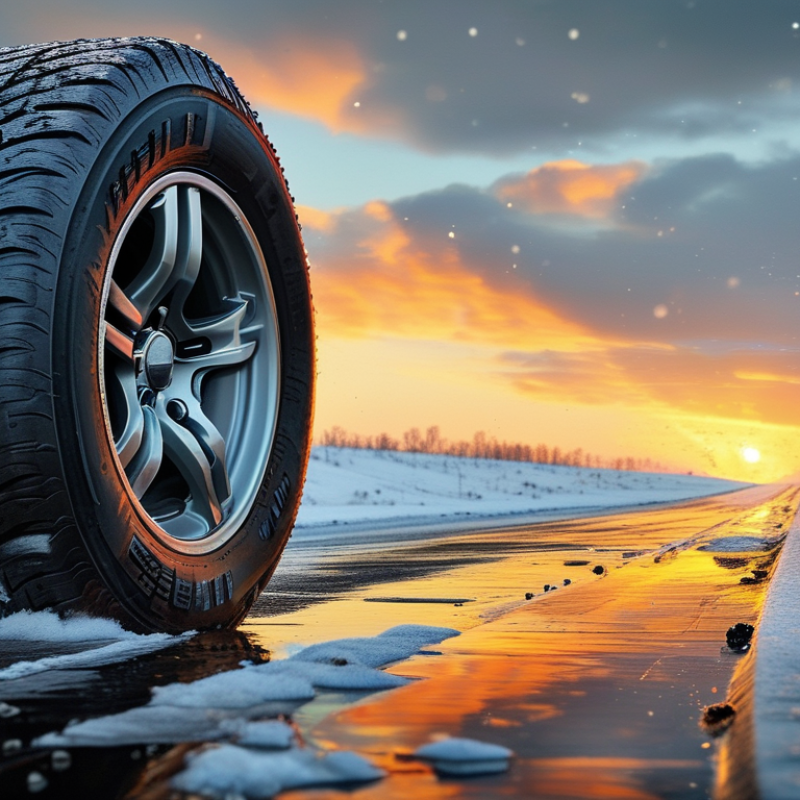
Why Tire Maintenance Matters for Cars Global Buyer Guide?

What Tire Maintenance Means in a Global Car Buying Guide

What Tire Maintenance Means in a Global Car Buying Guide

Tire maintenance is more than checking air pressure after buying a car. In a global car buying guide, it shows how safely and cheaply a vehicle can be operated in different conditions. A buyer should inspect tread depth, sidewall damage, uneven wear, valve condition, and the tire’s age. Look closely.

Climate changes the maintenance routine. Hot roads can increase pressure and accelerate rubber aging. Cold regions may require seasonal tires and more frequent pressure checks. Wet climates make tread condition especially important because shallow grooves can reduce water clearance. Rural buyers should also consider gravel roads, long distances, and limited repair services.

A vehicle with neglected tires may need immediate replacement, even if the engine seems excellent. Ask for service records, but check the tires yourself. Records can be incomplete. I once focused too heavily on mileage and overlooked four tires with different wear patterns. That mistake taught me to compare each wheel, not just read the dashboard. Buyers should confirm the recommended pressure, load rating, and size in the vehicle documents. Local inspection rules may also differ, so imported cars need careful verification before purchase. Tire replacement costs, storage needs, and roadside assistance availability belong in the real ownership budget. A low purchase price can hide expensive rubber, alignment work, or suspension problems.

How Tire Condition Affects Driving Safety and Vehicle Performance

Why Tire Maintenance Matters for Cars: Global Buyer Guide

Tire condition directly affects driving safety and vehicle performance. Tread depth helps channel rainwater away from the contact patch. When tread becomes shallow, wet braking can take longer. Worn tires may also lose grip during sudden turns. Uneven wear often signals poor alignment, weak suspension, or incorrect pressure. These problems can make steering feel heavy or unstable. A quiet road may hide serious tire damage.

Correct inflation supports handling, fuel efficiency, and even tread wear. Check pressure when tires are cold, using the vehicle placard or manual. Do not rely only on appearance. A tire can look normal but remain dangerously underinflated. I once underestimated a slow leak because the steering still felt comfortable. That was a useful reminder. Climate, road surfaces, vehicle load, and local inspection rules also influence tire choices.

Tips: Inspect tread, sidewalls, and valve areas each month. Look for cracks, bulges, nails, or exposed cords. Rotate tires according to the vehicle maker’s guidance, if applicable. Replace damaged tires promptly, even when tread remains. Match the correct size, load rating, and speed rating. Keep a pressure gauge in the vehicle. Small checks matter.

Which Tire Checks Should Be Performed Regularly

Tire maintenance matters because small changes can affect braking, steering, and fuel use. Check tire pressure at least once a month and before long journeys. Measure it when the tires are cold, ideally after the car has rested for several hours. Use the pressure listed in the vehicle handbook or door-frame label, not the number molded into the tire sidewall. A difference of only a few pressure units can change handling, especially with heavy luggage.

Inspect the tread with a clear view of the grooves. Look for uneven wear, exposed cords, cracks, cuts, or objects lodged in the rubber. A simple tread-depth gauge is more reliable than guessing with a coin. Check both outer edges and the center, because incorrect alignment or inflation often leaves a visible pattern. I once focused only on the front tires and missed a worn rear tire. That mistake changed my inspection routine.

Watch for vibration, pulling, or a rhythmic thumping sound while driving. These signs may indicate imbalance, alignment trouble, or internal damage. Rotate tires according to the vehicle’s service guidance, but rotation cannot repair unsafe wear. Inspect the spare tire too; it may sit unused for years and still lose pressure. The tire-pressure monitoring system is useful, but it may not detect slow damage early. A trained technician should examine unusual bulges, repeated pressure loss, or severe uneven wear before the vehicle returns to regular driving.

How Climate and Road Conditions Influence Tire Care

Climate changes tire behavior long before damage becomes visible. In hot regions, asphalt can exceed 60°C, increasing heat inside the tire. Underinflation then creates extra flexing, faster wear, and weaker fuel efficiency. Cold weather reduces air pressure, even when the tire has no leak. Check pressure when tires are cold, preferably before driving. Use the vehicle’s recommended pressure, not the maximum number printed on the sidewall. Short sentences matter. Pressure changes quickly.

Road surfaces create different risks across regions. Wet roads demand enough tread depth to move water away from the contact patch. Gravel can cut tread blocks and lodge sharp stones between grooves. Potholes may damage internal cords, even without visible marks. After a hard impact, inspect the sidewall for bulges, cuts, or uneven shapes. I have found slow leaks after drives that seemed completely normal. That experience changed how I treat ordinary bumps. They are not always harmless.

Drivers in snowy areas should monitor tread depth more closely and consider suitable seasonal tires. In tropical climates, heat, rain, and rough pavement require frequent checks. Long highway trips also deserve a pressure inspection before loading luggage. I used to check only when a tire looked low, which was not enough. A monthly inspection is useful, but sudden vibration, pulling, or repeated pressure loss needs professional attention. Tire care is not identical everywhere. Climate, road texture, vehicle load, and driving habits all change the maintenance schedule.

Why Tire Maintenance Matters for Cars Global Buyer Guide? - How Climate and Road Conditions Influence Tire Care
Climate or Road Condition Main Tire Impact Recommended Care Action Useful Inspection or Service Interval Risk Priority
Cold weather below 7°C (45°F) Summer-oriented rubber compounds generally become less flexible as temperatures fall, which can reduce grip and braking performance. Consider tires designed for cold conditions when temperatures regularly remain below 7°C. Check pressure using the vehicle manufacturer’s cold-tire specification. Check pressure at least monthly and before long trips; inspect for cracks or abnormal wear. High
Extreme heat and strong sunlight Heat increases stress on tire materials and can accelerate aging, especially when tires are underinflated or exposed to ultraviolet radiation. Maintain the recommended cold inflation pressure, avoid prolonged overloading, and inspect sidewalls for cracks, bulges, or weathering. Inspect monthly and before extended highway travel; replace tires showing structural damage. High
Heavy rain and standing water Water can reduce contact between the tread and road surface. Worn or incorrectly inflated tires are more vulnerable to hydroplaning. Keep tread grooves clear, maintain correct pressure, reduce speed in heavy rain, and avoid driving through deep or fast-moving water. Check tread condition monthly and before the wet season; rotate according to the vehicle or tire manufacturer’s guidance. High
Snow and ice Traction and braking capability can fall sharply on packed snow or ice, even when the tread appears acceptable. Use tires suitable for winter conditions where required by local weather or law. Keep chains or approved traction devices available where permitted. Install seasonal tires before severe winter weather and inspect tread, pressure, and valve condition regularly. High
Gravel, unpaved, or rocky roads Sharp stones and rough surfaces can cause cuts, punctures, tread chipping, and impact damage to the sidewall. Drive at a controlled speed, inspect the tread and sidewalls after difficult trips, and remove embedded stones only when safe. Inspect after each demanding journey; have suspected internal damage assessed by a qualified tire professional. High
Potholes, curbs, and uneven urban roads Impact forces may damage the sidewall, bend a wheel, disturb alignment, or create internal tire damage without an immediate puncture. Slow down before potholes, avoid sharp curb impacts, and check for vibration, pulling, bulges, or loss of pressure after an impact. Inspect immediately after a significant impact; check wheel alignment if the vehicle pulls or the steering wheel is off-center. High
Dusty or sandy roads Loose surfaces reduce available grip and may increase tread abrasion. Dust can also make damage and slow leaks harder to notice. Use smooth steering and braking, maintain a safe speed, clean the tires before inspection, and check for punctures or trapped debris. Inspect after off-road or sandy travel and check pressure before returning to paved roads. Medium
Frequent heavy loads or towing Additional weight increases heat generation, deflection, braking demand, and tread wear if the tires are not correctly rated and inflated. Do not exceed the vehicle, tire, axle, or trailer load limits. Adjust pressure only according to the vehicle manufacturer’s load recommendation. Check pressure and visible condition before every loaded trip; monitor heat, wear, and handling during travel. High
Long highway driving Continuous high-speed rotation generates heat. Underinflation can increase heat buildup, fuel consumption, and irregular wear. Measure pressure when tires are cold, inspect for cuts and uneven wear, and keep speed within the tire and vehicle ratings. Check before every long trip and take breaks to inspect the vehicle when traveling for many hours. High
Short trips and stop-and-go traffic Repeated acceleration, braking, cornering, and curb contact can increase tread wear and may conceal gradual pressure loss. Use smooth driving habits, maintain correct pressure, and inspect for shoulder wear or uneven tread patterns. Check pressure monthly and inspect tread during routine vehicle maintenance. Medium
Incorrect inflation pressure Underinflation can increase rolling resistance, heat buildup, shoulder wear, and stopping distance. Overinflation can reduce the contact patch and make the ride harsher. Use the pressure listed on the vehicle information placard or in the owner’s manual, not the maximum pressure molded on the tire sidewall. Check all tires, including the spare, at least once a month and when the tires are cold. High
Uneven or rapid tread wear One-sided, center, or shoulder wear may indicate incorrect pressure, misalignment, worn suspension parts, or insufficient rotation. Identify and correct the underlying mechanical issue before replacing only the affected tire. Rotate tires when recommended for the vehicle. Inspect at least monthly; request a professional inspection if wear is irregular or rapidly increasing. High
Low tread depth Reduced tread limits water evacuation and wet-road grip. The legal replacement threshold differs by jurisdiction. Use the vehicle or local legal requirement as the minimum standard, and replace earlier when wet performance, damage, or visible wear indicators suggest it is necessary. Measure tread depth monthly and before rainy or snowy seasons; replace when tread-wear indicators are flush with the tread. High
Tire age and long-term storage Rubber and internal materials age over time, even when mileage is low. Heat, sunlight, moisture, and improper storage can accelerate deterioration. Store tires in a cool, dry, clean place away from direct sunlight, ozone sources, chemicals, and electric motors. Check the date code and physical condition. Inspect annually after the fifth year of service and follow the vehicle or tire manufacturer’s replacement guidance. Medium
After puncture, bulge, or pressure loss Driving on a severely underinflated or damaged tire can cause internal structural damage and sudden air loss. Stop safely, avoid driving on a flat or visibly damaged tire, and have it inspected by a qualified professional. Do not repair sidewall damage. Inspect immediately; a repaired puncture should meet applicable repair standards and be evaluated from the inside. High

When to Repair, Replace, or Upgrade Your Tires

Why Tire Maintenance Matters for Cars Global Buyer Guide

When to Repair, Replace, or Upgrade Your Tires

Tire decisions should begin with evidence, not appearance alone. NHTSA reports roughly 11,000 tire-related crashes annually in the United States. A slow leak may feel harmless, yet it can distort handling during sudden braking. Check pressure monthly, before long trips, and when tires are cold. The correct figure is usually printed on the vehicle placard, not the tire sidewall.

Repair is suitable only for limited tread-area punctures, handled after professional inspection. Sidewall cuts, bulges, exposed cords, or repeated air loss usually require replacement. Do not gamble here. Many safety authorities use 2/32 inch as a minimum tread reference, but regional rules differ. Wet-road performance can decline earlier, especially when grooves look shallow and water gathers near the curb.

Replace tires in axle pairs when possible, and match size, load index, speed rating, and seasonal design. A higher-performance upgrade can improve cornering, but it may increase noise, cost, or stopping distance on cold roads. The U.S. Department of Energy states that properly inflated tires can improve fuel economy by up to 3 percent. That figure is useful, though real results vary with traffic and driving style. I once treated pressure checks as optional; that was careless. A small gauge and five minutes can reveal more than a polished sidewall.

FAQS

: Why does tire condition affect driving safety?

: Good tires help maintain grip, steering control, and braking stability. Worn tread can increase stopping distance on wet roads.

How often should I check tire pressure?

Check it monthly, before long trips, and whenever the tires are cold. Use the vehicle placard or manual.

Can a tire look properly inflated but still be unsafe?

Yes. A slow leak may remain invisible while reducing handling stability. Do not trust appearance alone.

What tire damage requires replacement?

Replace tires with sidewall cuts, bulges, exposed cords, or repeated air loss. Do not gamble here.

When can a punctured tire be repaired?

Repair may suit a small puncture within the tread area. A qualified professional should inspect it first.

What tread depth means a tire needs attention?

Around 2/32 inch is a common minimum reference. Wet-road grip may decline earlier, especially near pooled water.

What can uneven tread wear indicate?

It may indicate poor alignment, weak suspension, or incorrect pressure. The steering may feel heavy or unstable.

Should replacement tires be installed in pairs?

Replace tires in axle pairs when possible. Match size, load rating, speed rating, and seasonal design.

Can upgrading tires improve vehicle performance?

Higher-performance tires may improve cornering. They can also increase noise, cost, or cold-road stopping distance.

What simple tools and habits help tire safety?

Keep a pressure gauge inside the vehicle. Inspect tread, sidewalls, and valves each month. Small checks matter.

Conclusion

Tire maintenance is an essential part of any global car buying guide because it directly affects safety, comfort, fuel efficiency, and vehicle value. The key question, “Why is tire maintenance important for cars,” can be answered by considering how tire condition influences braking, steering control, road grip, stability, and overall driving performance. Buyers should inspect tread depth, air pressure, visible cracks, uneven wear, punctures, and tire age regularly to identify potential problems before they become serious.

Climate and road conditions also shape tire care. Hot weather, cold temperatures, heavy rain, rough roads, and long-distance driving can accelerate wear or change tire pressure. Drivers should adjust their inspection routine to match local conditions and driving habits. Repair may be suitable for minor, safely located damage, while replacement is necessary when tires are excessively worn, aged, damaged, or poorly matched to the vehicle. In some cases, upgrading to tires designed for specific weather or road conditions can improve reliability and driving confidence.

Sienna

Sienna

Sienna is a skilled marketing professional with a deep expertise in our company’s core products and services. With a passion for innovation and detail, she plays a pivotal role in crafting insightful blog posts that not only highlight the unique features of our offerings but also provide valuable......