Levers  Auto Levers Auto

2026 Top 10 Small Car Problems You Can Fix at Home?

Time:2026-09-30 Author:Aria
0%

A small car can feel dependable all week, then refuse to start outside your home on a cold morning. Often, the cause is simple: a weak battery, low tire pressure, worn wiper blades, or a burned-out bulb. This guide to 2026’s top 10 small car problems focuses on practical checks and repairs that many owners can safely handle with basic tools. Small steps matter.

How to fix small car problems at home begins with noticing clear symptoms, checking your owner’s manual, and resisting the urge to guess. A dashboard warning light, a slow engine crank, or a soft tire can point toward a problem, but symptoms do not always reveal the whole story. We’ll cover approachable tasks such as replacing wipers, checking fluids, changing an engine air filter, and inspecting tire pressure. Even careful owners can misread a warning or overlook a loose connection. That is worth remembering.

Safety comes before saving a repair bill. Park on level ground, switch off the engine, and let hot components cool before inspecting them. Use the correct parts and follow the vehicle maker’s instructions; a repair that works on one model may not suit another. Stop when unsure. Problems involving brakes, steering, fuel leaks, airbags, or high-voltage systems need qualified attention. A home fix should make the car safer, not merely quieter for one drive. This article offers starting points, not a diagnosis, and it encourages a professional inspection when symptoms persist or return.
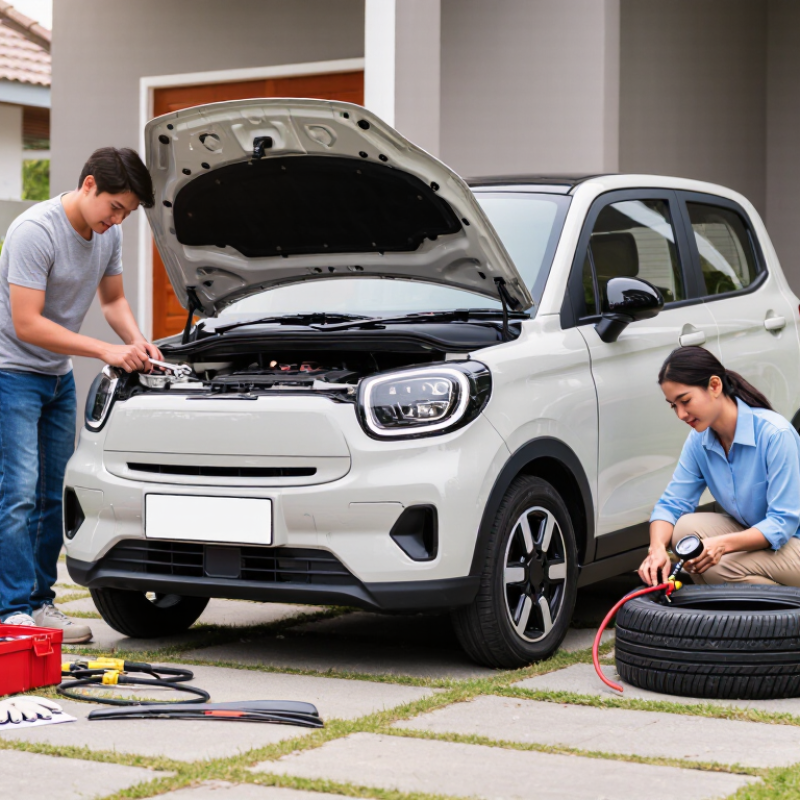
2026 Top 10 Small Car Problems You Can Fix at Home?

Screen the 10 Common Small-Car Faults Against the Owner’s Manual and Recalls

2026 Top 10 Small Car Problems You Can Fix at Home?
Screen the 10 Common Small-Car Faults Against the Owner’s Manual and Recalls

Small-car problems often begin with simple clues: a slow crank, dim lights, or a warning lamp. Check the owner’s manual before touching anything. It shows fuse locations, fluid types, tightening points, and reset procedures. At home, you can inspect the battery terminals, replace wiper blades, change bulbs, inflate tires, clean a clogged cabin filter, and replace a key-fob battery. You may also check loose fuel-cap symptoms, a dirty air filter, unusual tire wear, and a weak 12-volt battery. A basic multimeter and tire gauge help, but guesswork does not.

Record the vehicle identification number before searching the official recall database. A recall can involve brakes, steering, airbags, seat belts, or software. Those repairs usually require an authorized repair facility, even when the fault looks minor. Never bypass an airbag warning, high-voltage system warning, fuel leak, or brake-fluid loss. Stop driving if the brake pedal feels soft. The manual may also list special procedures for electric parking brakes and coolant systems.

I would photograph warning lights and loose connectors before removing parts. That small habit prevents confusion later. I once assumed a battery was dead, but a corroded terminal caused the trouble. My first diagnosis was wrong. Use the manual’s test sequence, then compare symptoms with recall notices and service campaigns. If a repair needs lifting, live electrical testing, or a safety-system reset, professional equipment is the safer choice.

Check Tires First: DOE Estimates 1 PSI of Underinflation Cuts MPG by 0.2%

A small car can lose efficiency through a problem that is easy to miss: low tire pressure. The U.S. Department of Energy estimates that each 1 PSI drop in pressure across all four tires can reduce fuel economy by about 0.2%. The effect may seem minor, but persistent underinflation can add up over many commutes.

Check pressure when the tires are cold, using a simple tire gauge. Compare the reading with the recommended PSI on the driver’s door placard or owner’s manual. Don’t use the maximum pressure printed on the tire sidewall as your target. Not by sight. A tire can look properly inflated and still be low. Add air in small amounts, then measure again. If one tire keeps losing pressure, inspect it for a nail, a damaged valve, or a slow leak; a repair shop can assess damage safely. I sometimes overlook this check when mornings are rushed, which is exactly why a monthly reminder helps. Tire pressure is only one part of fuel economy, but it is a practical place to start.

2026 Top 10 Small Car Problems You Can Fix at Home

Check tires first: based on the DOE estimate cited in the headline, every 1 PSI of underinflation is associated with an estimated 0.2% reduction in fuel economy. The values below show the estimated MPG reduction at different levels of underinflation. Use the vehicle placard or owner’s manual for the correct cold-tire pressure.

Calculation: estimated fuel-economy reduction = underinflation level × 0.2%.

Inspect Batteries, Fluids, Filters, Wipers, Lights, and Fuses; AAA Gives Batteries a 3–5-Year Life

2026 Top 10 Small Car Problems You Can Fix at Home

Small-car trouble often begins quietly. A slow crank, dim headlamp, or weak washer spray deserves attention. A leading roadside-assistance organization estimates that car batteries usually last three to five years. Heat, cold, short trips, and loose terminals shorten that range. Check the battery date, then inspect white or green corrosion around the posts. Wear eye protection and keep metal tools away from both terminals. A battery can look clean and still fail tomorrow.

Check engine oil, coolant, brake fluid, and windshield-washer fluid on level ground. Never open a hot coolant reservoir. Replace a dirty engine or cabin filter when airflow drops or dust gathers inside the housing. Wiper blades should clear one clean path, not leave a watery fan. Inspect headlights, brake lights, and turn signals at dusk. The U.S. National Highway Traffic Safety Administration identifies lighting and visibility as important safety factors in vehicle operation. A blown fuse often points to an overloaded circuit, not merely bad luck.

Tips: Keep a test light, gloves, distilled water, spare fuses, and a tire gauge in the garage. Photograph fuse positions before removal. Do not replace a fuse with a larger rating. I sometimes overlook washer-fluid leaks because they seem minor. That is a mistake. If a battery tests weak after charging, or a fuse fails again, stop guessing and seek qualified service.

Read Warning Codes with OBD-II: U.S. Vehicles Have Required It Since Model Year 1996

Many small-car problems begin with a glowing dashboard light. Since model year 1996, new passenger vehicles sold in the United States have been required to use OBD-II. This system monitors emissions-related equipment and stores diagnostic trouble codes. A basic scanner can read those codes at home through the port beneath the steering wheel. The port is often easy to find. The meaning is harder.

Turn off the engine, engage the parking brake, and connect the scanner firmly. Record the code before clearing anything. A code points toward a system, not always a failed part. For example, an oxygen-sensor code may come from damaged wiring, an air leak, or a weak sensor. I once replaced a sensor too quickly and missed a cracked connector. That mistake cost more than the scan.

Use the vehicle service manual or a reputable repair database to confirm the code. Check battery voltage, visible wiring, loose caps, and vacuum hoses. Do not crawl under a car supported only by a jack. Never ignore a flashing warning light, rising temperature, fuel smell, or brake warning. Stop driving when symptoms suggest immediate danger. Home diagnosis saves time, but it is not proof. A cheap reader can also mislead you. Recheck the code after repairs and take notes. Those small records make the next repair less uncertain.

Test Each Repair Safely and Get Professional Help for High-Voltage or Brake-System Faults

2026 Top 10 Small Car Problems You Can Fix at Home

Small cars often develop simple faults: low tire pressure, worn wiper blades, blown bulbs, weak fuses, dirty cabin filters, and loose battery terminals. You can also replace washer fluid, tighten a rattling trim panel, or inspect a clogged air filter. I use the vehicle’s service manual, a torch, gloves, and a basic multimeter. Record every step. A small mistake can hide a larger fault.

Test each repair in a controlled place. Check tire pressure with a reliable gauge, then confirm the warning light disappears after driving briefly. Test lights at dusk, and keep hands away from moving belts. After changing a fuse, use the correct rating only. Never bridge a fuse with metal. That shortcut can damage wiring or start a fire. I once trusted a dashboard warning reset too quickly; the fault returned later. My first check was incomplete.

Brake-system problems require extra caution. Soft pedals, grinding sounds, fluid loss, or uneven braking deserve professional inspection. Do not road-test a questionable brake system. High-voltage battery cables and electrical components in electrified cars are not home-repair targets. Their bright warning labels matter. Stop, isolate the vehicle as instructed, and contact a qualified technician. A professional can perform insulation, brake, and diagnostic tests with calibrated equipment. Schedule help when the repair involves safety-critical systems, even if the original symptom seems minor.

2026 Top 10 Small Car Problems You Can Fix at Home? — Test Each Repair Safely and Get Professional Help for High-Voltage or Brake-System Faults

# Problem Safe check Possible at-home action Difficulty Stop and get professional help if…
1 Low tire pressure Use a reliable pressure gauge when the tires are cold. Compare the reading with the vehicle’s tire-information placard, commonly found on the driver’s door area—not the maximum pressure printed on the tire sidewall. Add air in small increments and recheck the pressure. Inspect for visible damage, and check again after driving only as directed by the vehicle manual. Easy A tire is visibly damaged, repeatedly loses pressure, has a sidewall bulge, or is too low to drive safely. Do not drive on a flat tire.
2 Streaking or noisy windshield wipers Check for cracked, hardened, or torn rubber and clean the blades and glass with a suitable cleaner. Replace the wiper blades with the correct size and attachment type, following the vehicle instructions. Protect the windshield while the wiper arms are lifted. Easy A wiper arm is bent, loose, or not moving, or the replacement blade does not fit securely.
3 Low windshield-washer fluid Check the washer-fluid reservoir level under the hood, using the owner’s manual to identify the correct cap. Top up with washer fluid suitable for the local climate. Do not substitute engine coolant or pour fluid into an unidentified reservoir. Easy The reservoir is cracked, fluid leaks, or the pump does not work after confirming the reservoir is filled.
4 Clogged cabin air filter Look for reduced airflow, persistent dust, or a musty odor, then check the filter’s service interval and access instructions in the manual. Replace the filter with the correct type and airflow direction. Refit the cover securely and avoid forcing clips or trim panels. Easy Access requires removing unfamiliar electrical parts, the housing is damaged, or airflow remains poor with a correctly installed filter.
5 Dirty or overdue engine air filter With the engine off and cool, consult the manual and inspect the filter for heavy dirt, damage, or blockage. Install the correct replacement in the same orientation and make sure the air-filter housing closes and seals properly. Easy The housing or intake duct is damaged, the filter is wet or contaminated with oil, or engine performance problems continue.
6 Weak or discharged 12-volt battery Check for dim lights or slow cranking. Look for a loose case, leaks, or visible damage without touching corroded parts. If the manual permits, use the specified jump-start points and exact connection sequence. Keep clamps clear of moving parts and disconnect them as instructed. Caution The battery is swollen, leaking, frozen, or unusually hot; jump-starting is unsuccessful; or the vehicle is a hybrid/electric model and you are unsure of its 12-volt procedure. Never use the high-voltage system as a jump-start point.
7 Burned-out exterior bulb With the vehicle parked, check the lights from outside or ask another person to operate them. Consult the manual to identify the bulb and access method. For a user-serviceable bulb, switch off the lights, let the bulb cool, and fit the specified replacement without touching a halogen bulb’s glass. Caution The lamp uses a sealed LED unit, contains high-intensity discharge equipment, has damaged wiring, or the replacement does not work.
8 Loose fuel cap or a check-engine light after refueling When safely parked, check that the fuel cap is correctly seated and its seal is not visibly damaged. Note whether the warning light is steady or flashing. Reseat the cap according to the manual. A warning may take several trips to clear; use a diagnostic scan if it stays on rather than assuming the cap was the cause. Caution The check-engine light flashes, the engine runs roughly, power drops, fuel is leaking, or the warning persists. Stop driving if the vehicle feels unsafe.
9 Brake warning, unusual brake noise, or a changed pedal feel Check only for dashboard warnings and obvious fluid beneath the parked vehicle. Do not crawl under an unsupported vehicle or dismantle brake parts. There is no safe general at-home repair for a brake-system fault. Arrange a qualified inspection; do not test-drive a vehicle with uncertain braking. Professional The red brake warning appears, the pedal is soft or sinks, braking distance increases, there is grinding or a fluid leak, or an ABS warning is on. Stop safely and arrange assistance or towing.
10 Hybrid or electric high-voltage warning, charging fault, or orange-cable concern Read the dashboard message and owner’s manual. Look only for external damage from a safe distance; do not touch orange cables or high-voltage components. Follow only the manual’s basic, non-invasive checks, such as confirming the charging connector is properly seated when the system is off. Leave system diagnosis and repair to trained technicians. Professional A high-voltage warning appears, an orange cable is damaged, the vehicle has been in a collision or flood, or there is smoke, unusual heat, or a burning smell. Keep clear and contact emergency services if there is immediate danger.

Safety note: Park on a stable, level surface, apply the parking brake, and follow the vehicle’s owner’s manual. This guide is general information, not a substitute for vehicle-specific instructions or professional diagnosis.

FAQS

What is OBD-II used for in small cars?

OBD-II monitors emissions-related equipment and stores diagnostic trouble codes. Vehicles sold in the United States have required it since model year 1996.

Where can I connect a basic diagnostic scanner?

Look beneath the steering wheel for the diagnostic port. Turn off the engine, engage the parking brake, and connect firmly.

Should I clear a warning code immediately?

No. Record the code before clearing anything. A code identifies a system, not always a failed part.

Can an oxygen-sensor code identify a bad sensor?

Not necessarily. Damaged wiring, an air leak, or a weak sensor can cause the same code. Check the connector carefully.

What simple checks can I do at home?

Inspect battery terminals, visible wiring, vacuum hoses, loose caps, and battery voltage. A torch, gloves, and a basic multimeter help.

Which small-car repairs are usually manageable at home?

You can check tire pressure, replace wiper blades, change bulbs, replace fuses, and clean cabin filters. Keep notes.

How should I test a repair safely?

Use a controlled location. Test lights at dusk, keep hands away from moving belts, and use only the correct fuse rating.

When should I stop driving and seek professional help?

Stop for a flashing warning light, rising temperature, fuel smell, or brake warning. Soft pedals and grinding sounds need urgent inspection.

Can I repair high-voltage systems myself?

Avoid high-voltage cables and electrical components in electrified cars. Their warning labels matter. Contact a qualified technician.

Why can a cheap scanner mislead me?

Home diagnosis saves time, but it is not proof. I once trusted a reset too quickly, and the fault returned later.

Conclusion

How to fix small car problems at home begins with checking the owner’s manual and reviewing any applicable safety recalls. Start with the tires, since even 1 PSI of underinflation may reduce fuel economy by about 0.2%. Then inspect the battery, engine fluids, air filter, wiper blades, exterior lights, and fuses. Most batteries last around three to five years, so signs of slow starting or corrosion deserve attention.

For electronic faults, an OBD-II scanner can read warning codes on vehicles sold in the United States since model year 1996. Use the code as a guide rather than replacing parts blindly, and clear it only after confirming the repair. Test every fix safely in a controlled area. Simple maintenance can often be completed at home, but high-voltage systems, brake faults, persistent warning lights, or uncertain electrical problems should be handled by a qualified professional.

Aria

Aria

Aria is a dedicated marketing professional with a deep passion for innovative strategies and a keen understanding of our company's product offerings. With a wealth of experience in the industry, Aria excels at crafting engaging content that highlights the unique features and benefits of our......