Levers  Auto Levers Auto

Why Do Cars Overheat and How Can You Prevent It?

Time:2026-10-10 Author:Henry
0%

Why do cars overheat and how to prevent it is a practical question every driver should understand. An overheating engine can turn a normal commute into a roadside emergency within minutes. Steam may rise from the hood. The temperature gauge may climb into the red. Sometimes, there is no obvious warning.

John Ibbotson, chief mechanic at Consumer Reports, advises drivers to “pay attention to the temperature gauge.” His guidance reflects a simple truth: early action can prevent expensive engine damage. Common causes include low coolant, a leaking radiator hose, a failed thermostat, a damaged water pump, or a cooling fan that does not operate. A blocked radiator can also trap heat, especially during slow traffic or hot weather.

Prevention begins with regular inspections. Check the coolant level when the engine is cold. Look for green, pink, orange, or blue fluid beneath the vehicle. Never remove a hot radiator cap. That mistake can cause severe burns. Follow the manufacturer’s coolant replacement schedule, and inspect belts and hoses for cracks, swelling, or softness.

Small details matter. A sweet smell near the hood may signal a coolant leak. A weak heater can also suggest poor coolant circulation. Still, prevention is not perfect. Even a maintained car can overheat unexpectedly. If the gauge rises, switch off the air conditioner, turn on the heater briefly, and stop safely. Let the engine cool. Do not continue driving simply because the car still moves. That decision may protect your engine—or reveal that an earlier inspection was missed.
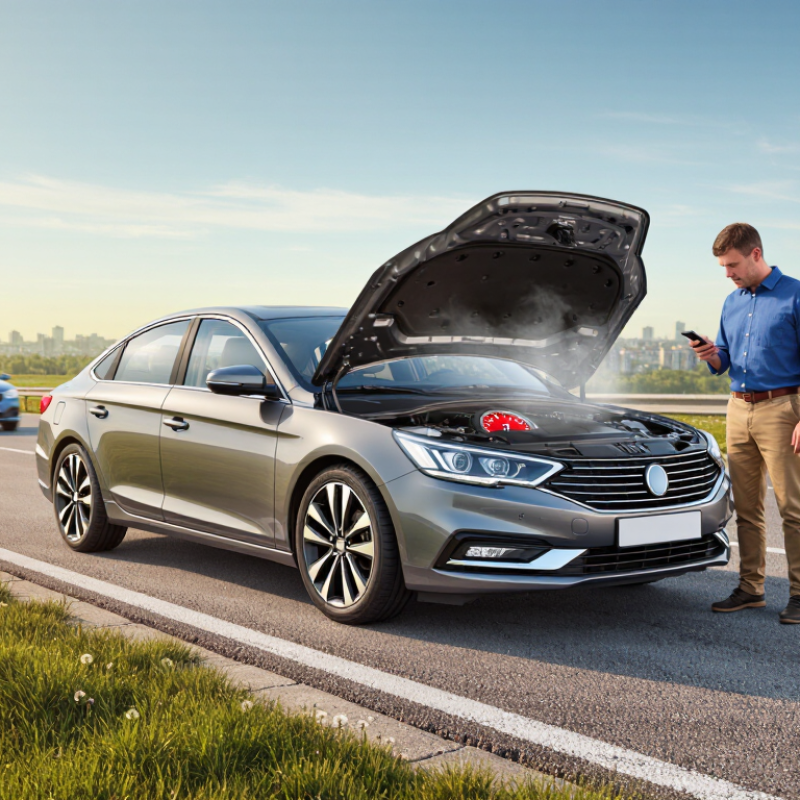
Why Do Cars Overheat and How Can You Prevent It?

What Engine Overheating Means and Why It Happens

Why Do Cars Overheat and How Can You Prevent It?
What Engine Overheating Means and Why It Happens

Engine overheating means the engine is producing more heat than its cooling system can remove. The temperature gauge may rise, a warning light may appear, or steam may escape from under the hood. Sometimes, there is no warning. That makes the problem more dangerous.

Common causes include low coolant, a leaking hose, a failing thermostat, or a damaged radiator. A worn water pump can also reduce coolant circulation. Blocked airflow makes matters worse, especially during slow traffic or steep climbs. A slipping drive belt may prevent the cooling system from working correctly. Strange smells and a sweet odor near the engine deserve attention.

Act early.

If the gauge enters the red zone, pull over safely and turn off the engine. Never remove a hot radiator cap. Pressurized coolant can cause severe burns. Let the engine cool before checking the coolant reservoir. Add the correct coolant only when the system is cool, and never treat water as a permanent repair.

Regular checks help prevent overheating. Inspect coolant levels, hoses, belts, and visible leaks. Keep the radiator area clear of dirt and debris. Follow the vehicle’s maintenance schedule, but do not rely on schedules alone. A small leak can become serious between inspections. I have sometimes underestimated a faint smell or a slow temperature rise; that hesitation can be costly. An unusual gauge reading should be investigated by a qualified technician, even if the car seems to drive normally.

How the Cooling System Regulates Engine Temperature

Why Do Cars Overheat and How Can You Prevent It?

A cooling system keeps engine temperature within a narrow operating range. Coolant absorbs heat from passages around the cylinders, then carries it to the radiator. Airflow removes that heat before the fluid returns to the engine. The thermostat controls circulation, while the water pump maintains flow. The cooling fan becomes especially important in slow traffic. It sounds simple. It is not.

The U.S. Department of Energy reports that typical gasoline engines convert only about 20–30% of fuel energy into useful motion. Much of the remaining energy becomes heat, so cooling-system failures can escalate quickly. A stuck thermostat may trap hot coolant. A weak pump can reduce circulation. A damaged pressure cap lowers the boiling point, even when the reservoir appears full. Industry service guidance commonly places normal coolant temperature near 90–105°C, but the correct range depends on the vehicle and coolant design. Never trust the dashboard alone; sensors can fail.

Tips: Check coolant levels only when the engine is cold. Inspect hoses for soft spots, cracks, or dried residue. Keep the radiator fins clear of dirt and insects. Replace coolant according to the service schedule, using the specified mixture. If the temperature warning appears, stop safely and switch off the engine. Do not open the cap immediately. A rushed inspection can cause burns, and topping up without finding the leak only postpones the problem.

Why Do Cars Overheat and How Can You Prevent It? - How the Cooling System Regulates Engine Temperature

Cooling System Area How It Regulates Temperature Common Overheating Cause Warning Signs Prevention or Maintenance Action
Coolant Absorbs heat from the engine and carries it to the radiator. A water-and-antifreeze mixture also helps prevent freezing, boiling, and corrosion. Low coolant level, incorrect mixture, or degraded coolant. Rising temperature gauge, coolant odor, visible leaks, or steam. Check the level only when the engine is cold and use the coolant type specified in the vehicle service information.
Radiator Transfers heat from hot coolant to surrounding air through thin metal tubes and fins. Blocked fins, internal deposits, external damage, or restricted coolant flow. Uneven temperature across the radiator, coolant leaks, or overheating during heavy driving. Keep the fins free of dirt and inspect the radiator for damage or leakage during routine service.
Water Pump Circulates coolant through the engine, radiator, hoses, and heater circuit. Worn bearings, a damaged impeller, a failed seal, or a slipping drive belt. Coolant leakage near the pump, unusual bearing noise, or rapid temperature increase. Inspect the pump and its drive system at recommended service intervals and repair leaks promptly.
Thermostat Controls coolant flow so the engine warms up efficiently and maintains its normal operating temperature. A thermostat stuck closed can restrict coolant flow and cause overheating. Temperature rises quickly, fluctuates unusually, or remains lower than normal. Replace a faulty thermostat with the correct temperature-rated part and inspect the gasket for leaks.
Cooling Fan Pulls or pushes air through the radiator, especially when the vehicle is stationary or moving slowly. Failed fan motor, fuse, relay, wiring, or fan-control sensor. Overheating in traffic or when idling while temperature remains more stable at higher speeds. Verify that the fan operates when required and inspect related electrical components.
Hoses and Connections Carry coolant between the engine, radiator, expansion tank, and other cooling-system components. Cracks, swelling, hardened rubber, loose clamps, or damaged seals. Wet spots, dried coolant residue, soft hose sections, or a sweet coolant smell. Inspect hoses and clamps regularly and replace any hose showing deterioration.
Pressure Cap and Expansion Tank Maintains system pressure and allows coolant to expand and contract as temperature changes. A weak cap spring, damaged seal, cracked tank, or incorrect pressure rating. Coolant loss without an obvious leak, overflow, or bubbling in the expansion tank. Check the cap and tank for damage and never open a hot pressurized cooling system.
Drive Belt Transfers engine power to belt-driven cooling components such as the water pump. A broken, loose, glazed, or contaminated belt can stop coolant circulation. Squealing, visible belt damage, battery warning light, or sudden overheating. Inspect belt condition and tension according to the vehicle maintenance schedule.
Engine Lubrication Engine oil reduces friction and carries some heat away from moving components. Low oil level, incorrect oil grade, or severe oil degradation can increase engine heat. Low-oil warning, unusual engine noise, burning odor, or elevated temperature. Check oil on level ground and maintain the correct level and service interval.
Driver Response Early action reduces the risk of cylinder-head distortion, gasket failure, and permanent engine damage. Continuing to drive with a high temperature reading or visible steam. Temperature gauge in the red zone, warning message, loss of power, or steam from under the hood. Turn off unnecessary loads, pull over safely, switch off the engine, and wait for it to cool before inspection. Do not remove the pressure cap while hot.
Safety Note: A hot cooling system may be pressurized and can cause serious burns. Allow the engine to cool completely before checking coolant or opening any cap. If coolant is leaking heavily or the temperature remains high, arrange professional repair rather than continuing to drive.

Common Causes and Warning Signs of an Overheating Car

Why Do Cars Overheat and How Can You Prevent It?

An overheating car rarely fails without clues. The temperature gauge may climb past its normal position, while steam escapes around the hood. A sweet smell can indicate leaking coolant, and a cold cabin heater may signal poor coolant circulation. Do not ignore a warning light. The Car Care Council’s 2017 Vehicle Maintenance Study reported that 84% of inspected vehicles needed service or repair. That figure suggests many cooling problems begin with neglected maintenance, not sudden engine failure.

Common causes include low coolant, cracked hoses, a failing thermostat, a blocked radiator, or a damaged water pump. A slipping belt can also reduce coolant circulation. It is tempting to blame the engine immediately. That assumption is risky. Check the ground for colored puddles and notice whether the radiator fan operates after the engine warms. A professional inspection is safer than guessing.

Prevention is practical. Check the coolant level only when the engine is completely cold, and follow the vehicle manual’s recommended mixture. Inspect hoses for swelling, soft spots, and dried residue. Replace worn belts and maintain scheduled cooling-system service. The U.S. Department of Energy advises regular vehicle maintenance because neglected systems can reduce efficiency and increase breakdown risk. If the gauge rises sharply, pull over safely, switch off the engine, and wait. Never remove a hot radiator cap. The pressure can cause severe burns. Small leaks become expensive when ignored.

What to Do When Your Car Starts Overheating

Why Do Cars Overheat and How Can You Prevent It?

What to Do When Your Car Starts Overheating

When the temperature warning appears, take it seriously. Turn off the air conditioning and switch on the heater. This may pull extra heat from the engine briefly. Reduce your speed and move toward a safe shoulder or parking area. Stop the engine once you are safely away from traffic. Use hazard lights if necessary.

Do not open the radiator cap while the engine is hot. Pressurized steam can cause severe burns. Wait at least 20 to 30 minutes before checking anything under the hood. Look for leaking coolant, a broken belt, or steam near the engine. Do not touch moving parts. Do not pour cold water over a hot engine, because sudden temperature changes can damage components.

I used to think adding coolant solved every overheating problem. That assumption was too simple. Low coolant may signal a leak, while a damaged thermostat, fan, water pump, or blocked radiator can create the same warning. If the reservoir is empty, add the correct coolant only when the engine has cooled. Plain water may help in an emergency, but it is not a proper long-term solution. If the warning returns, arrange professional inspection instead of continuing to drive. A few extra miles can turn a manageable repair into major engine damage.

How Regular Maintenance Helps Prevent Overheating

Why Do Cars Overheat and How Can You Prevent It?

How Regular Maintenance Helps Prevent Overheating

A car’s cooling system works quietly until a small fault becomes serious. Low coolant, damaged hoses, blocked radiator fins, or a failing thermostat can restrict heat transfer. Regular inspections help reveal these problems before the temperature gauge rises.

Check the coolant level only when the engine is completely cold. The fluid should sit between the marked lines. Look for wet spots under the vehicle and dried, chalky residue around hose connections. These signs may indicate a leak.

During routine servicing, a technician should inspect the radiator cap, cooling fans, drive belt, water pump, and thermostat. The radiator fins also need clear airflow. Leaves, dust, and insects can form a stubborn blanket across them.

Follow the vehicle’s maintenance schedule for coolant replacement. Using the correct coolant type matters, because incompatible fluids may damage seals or reduce protection. Engine oil deserves attention too. It reduces friction and helps carry heat away from moving parts.

I once ignored a slowly falling coolant level. It seemed harmless, but the leak worsened during a long uphill drive. That mistake taught me to investigate small changes early.

If the temperature warning appears, pull over safely and switch off the engine. Never remove a hot radiator cap. Steam and pressurized coolant can cause severe burns.

A cooling system pressure test can locate hidden leaks more reliably than a quick visual check.

FAQS

What are the common warning signs of an overheating car?

The temperature gauge rises above normal. Steam may escape near the hood. A sweet smell can suggest leaking coolant.

Why might a car overheat?

Common causes include low coolant, cracked hoses, a faulty thermostat, or a blocked radiator. A damaged water pump can also stop proper circulation.

Can a slipping belt cause overheating?

Yes. A slipping belt may reduce coolant circulation. Strange belt noise can offer another clue.

What should I do when the temperature warning appears?

Turn off the air conditioning. Switch on the heater briefly. Reduce speed and reach a safe stopping area.

How long should I wait before opening the hood?

Wait about 20 to 30 minutes. Hot steam can burn skin. Do not touch moving parts.

Should I remove the radiator cap while the engine is hot?

Never remove it when hot. Pressurized coolant and steam can cause severe burns. Wait until everything cools completely.

Can I pour cold water over a hot engine?

No. Sudden temperature changes may damage engine components. Let the engine cool naturally.

Is adding coolant always enough to fix overheating?

No. I once assumed that, but it was too simple. Low coolant may indicate a leak or another cooling-system problem.

How can I help prevent overheating?

Check coolant only with a completely cold engine. Inspect hoses for swelling, soft areas, and dried residue. Replace worn belts promptly.

When should I stop driving and seek professional help?

Stop when the warning returns or the gauge rises sharply. Continuing for a few miles may cause major engine damage. Small leaks grow.

Conclusion

Why do cars overheat and how to prevent it is an important question for every driver. Engine overheating occurs when the engine produces more heat than the cooling system can remove. Coolant, the radiator, water pump, thermostat, cooling fans, and hoses work together to regulate temperature and keep the engine operating safely. Low coolant, leaks, a blocked radiator, a failing water pump, a damaged thermostat, or poor airflow can interrupt this process. Common warning signs include a rising temperature gauge, steam from under the hood, unusual smells, reduced engine performance, and dashboard warning lights.

If a car begins to overheat, the driver should turn off the air conditioning, pull over safely, and switch off the engine. The hood should be opened carefully, but the radiator cap must not be removed while the engine is hot. After the vehicle cools, the coolant level and visible leaks can be checked. Regular maintenance, including coolant inspections, hose checks, radiator cleaning, and timely replacement of worn components, helps prevent overheating and protects the engine from serious damage.

Henry

Henry

Henry is a dedicated marketing professional with a profound expertise in the company's offerings. With years of experience in the industry, he possesses an impressive understanding of the market dynamics and consumer behaviors that drive success. Henry is committed to sharing his insights through......