 Levers Auto
Why do cars need regular cleaning? Because dust, road film, bird droppings, and tree sap can build up on a car’s paint and glass. In many Chinese cities, traffic grime settles quickly, while coastal air and seasonal rain create different cleaning challenges. A clean windscreen also helps drivers see clearly, especially at night or during wet weather. Small details matter.
Regular washing helps remove contaminants before they become harder to clean. It also makes it easier to spot scratches, chipped paint, or a slowly leaking tyre during routine checks. Cleaning the wheels and lower body is useful after muddy trips or travel on salted roads. Yet washing alone cannot prevent corrosion or repair damaged paint. It is one part of sensible car care, not a cure-all.
The best routine depends on where and how the vehicle is used. A car parked outdoors beneath trees may need attention sooner than one kept in a garage. Use a clean, soft wash mitt and a car-safe shampoo; gritty cloths can leave fine scratches. Avoid washing hot body panels under strong sunlight, and rinse away soap thoroughly. For stubborn stains, seek product guidance rather than scraping at the surface. Not every wash needs to be perfect. Even so, a steady, gentle routine can protect appearance, support visibility, and make everyday inspections easier.
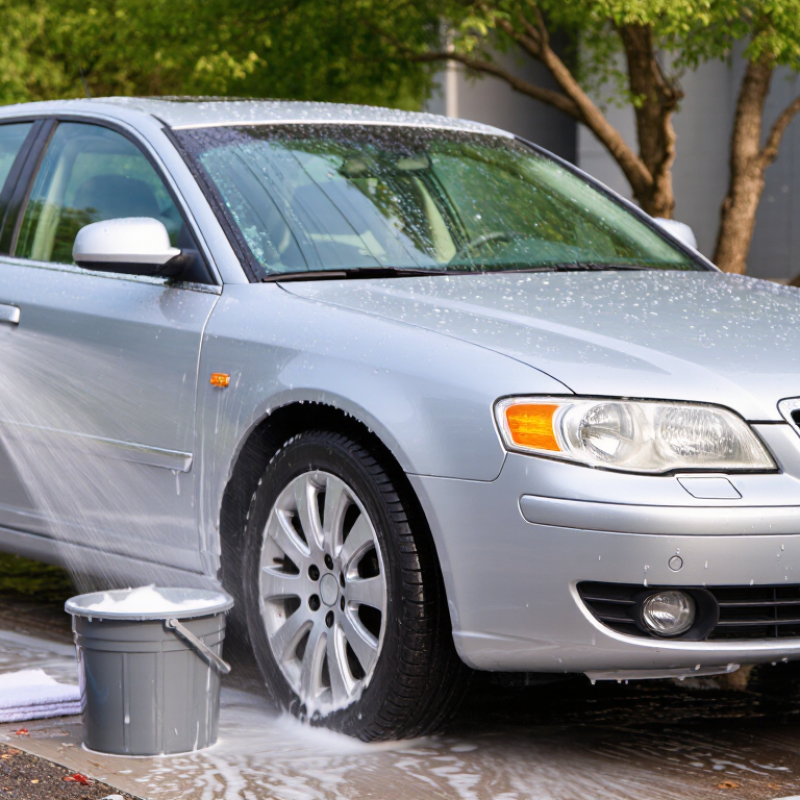
In China, regular car cleaning involves more than making the paint shine. City dust, construction grit, tree pollen, and traffic film can collect quickly on body panels and glass. After rain, dirty water may leave marks, especially around mirrors and door handles. In humid areas, damp floor mats can also develop unpleasant odors. Small details matter.
A careful exterior wash starts with rinsing loose grit away, so wiping does not drag particles across the paint. Use clean water, a soft wash mitt, and car-safe shampoo; household detergents may strip protective finishes. Clean the wheels separately, then dry the body with a clean microfiber towel to reduce water spots. Check the windshield, mirrors, lamps, and door jambs. Avoid washing hot panels in strong sun, when soap can dry too quickly.
Inside, vacuum seats and carpets, remove debris from floor mats, and wipe frequently touched surfaces with a lightly damp cloth. Do not soak screens, buttons, or electrical areas. After muddy trips or coastal drives, rinse the lower body and wheel wells, where grime can linger. Cleaning frequency depends on parking conditions and weather, not a rigid calendar. I sometimes overlook the mat edges; they collect more dirt than expected. A perfect wash is not always practical, but drying the mats properly is worth the extra minute.
| Cleaning Task | Typical Schedule | What It Involves | Why It Matters in China |
|---|---|---|---|
| Exterior wash | About every 1–2 weeks in ordinary conditions; sooner when visibly dirty | Rinse loose grit, wash with automotive shampoo and a clean mitt, then rinse and dry with a soft towel. | Road dust, rain, traffic grime, and construction dust can accumulate on the body and glass. Removing grit carefully helps reduce the risk of wash-induced scratches. |
| Prompt cleaning after mud, bird droppings, or tree sap | As soon as practical | Soften the deposit with water or an appropriate car-safe cleaner, then lift it gently without scraping. | Dried deposits can become harder to remove and may mark paint or damage clear coat if left for a long time, especially in warm weather. |
| Wheels and tires | Every 1–2 weeks, or during each exterior wash | Use a wheel-safe cleaner and separate brushes or cloths. Rinse thoroughly and avoid getting dressing on tire tread or brake parts. | Brake dust and road grime collect around wheels. Separate tools help prevent abrasive wheel dirt from being transferred to painted panels. |
| Undercarriage rinse | After driving on muddy or heavily salted roads; otherwise as needed | Rinse accessible lower body and wheel-well areas with low-pressure water. Avoid directing high-pressure spray at seals, electrical connectors, or damaged areas. | Removing packed mud and road salt where present can reduce prolonged exposure of metal parts to corrosive deposits. Conditions vary by region and season. |
| Interior vacuum and surface wipe | About weekly for frequent use; less often if the cabin stays clean | Vacuum floor mats and seats, remove loose debris, and wipe hard surfaces with a suitable interior cleaner and microfiber cloth. | Dust, food crumbs, and tracked-in dirt can build up quickly in daily-use vehicles. Regular cleaning also helps keep controls and touch points clean. |
| Carpets and floor mats | Vacuum weekly; wash or deep-clean when stained or noticeably dirty | Remove mats before cleaning. Let washed mats dry fully before putting them back in the vehicle. | Wet or dirty mats can hold moisture and odors. Drying them completely helps prevent dampness inside the cabin. |
| Windows and mirrors | When visibility is reduced; check regularly | Clean inside and outside glass with a glass cleaner and a lint-free cloth. Keep the windshield, mirrors, and camera or sensor areas unobstructed. | Clear glass supports visibility in rain, haze, and busy traffic. Some driver-assistance sensors require unobstructed surfaces; follow the vehicle manual for their care. |
| Cabin air filter inspection | At the interval specified in the vehicle manual; inspect sooner in dusty conditions | Check the filter for dust, blockage, or odor and replace it when required. Cleaning or replacement procedures vary by vehicle. | Dust and heavy urban traffic can make filter condition worth checking. The correct service interval depends on the model and driving environment. |
| Paint protection and careful drying | Inspect periodically; apply protection according to product directions | Dry the car after washing and use only paint-safe wax or sealant if desired. Follow the product instructions and avoid applying it to glass or brakes. | Drying helps limit water spots, while a suitable protective layer can make routine washing easier. It does not replace regular cleaning. |
Note: These are general cleaning guidelines, not fixed service requirements. Adjust the schedule for local weather, road conditions, driving frequency, and the vehicle manufacturer’s instructions.
Every one to two weeks is a practical starting point. Adjust for dust, rain, parking, and driving conditions.
Rinse the car before wiping it. Dry grit can scratch the paint.
Rinse the lower body and wheel wells to remove salt and grime. Pay attention to the door edges.
Choose car-safe shampoo and follow its dilution instructions. A pH-balanced formula is a sensible option.
It may strip protective wax. Use a product made for automotive surfaces instead.
Wash in shade, away from strong sun. Dry the body with a clean microfiber towel.
Check the windshield, mirrors, lamps, door jambs, and wheel arches. I sometimes miss the lower door edges.
Vacuum seats and carpets, then wipe surfaces with a lightly damp cloth. Do not soak screens or buttons.
Remove debris and dry the mats properly. It takes an extra minute, but I sometimes forget.
Why do cars need regular cleaning? In China, dust, road grime, rain residue, and urban pollution can build up on a vehicle’s paint, glass, wheels, and underbody. Regular cleaning helps preserve the finish, maintain clear visibility, and make it easier to spot wear or damage. The right schedule depends on local conditions: coastal air, frequent rain, dry dusty roads, and heavy city traffic can all affect how quickly a car gets dirty.
A safe wash starts by rinsing loose grit away, then cleaning from top to bottom with a soft mitt and a product made for vehicles. Use separate tools for wheels, rinse thoroughly, and dry with a clean cloth to reduce water marks and scratches. Choose gentle, suitable cleaning products and services that use careful methods rather than harsh chemicals or excessive pressure. Adjusting the routine to the climate and road conditions helps keep a car clean without unnecessary washing.
