Levers Auto
Levers Auto
Levers Auto
Advanced hybrid and high-efficiency conventional combustion systems configured for the unique operational demands of Kigali and regional corridors.
A comprehensive analysis of topography, infrastructure development, and fleet fuel strategies within the East African Community (EAC).
Rwanda, frequently recognized as the economic beacon of the East African Community (EAC), is experiencing unprecedented urban development and industrialization. While the Rwandan government is aggressively promoting green initiatives and electric mobility, the practical realities of national logistics, long-haul transport, and regional infrastructure dictate that high-efficiency fuel cars (internal combustion engines) and hybrid vehicles remain critical to maintaining supply chain continuity. Terrain variance, localized electrical grid constraints outside Kigali, and initial capital expenditure considerations position modern fuel cars as the most reliable transit medium for both public and private enterprises.
Geographically, Rwanda’s nickname, "The Land of a Thousand Hills," represents a direct technical challenge for automotive platforms. Standard vehicles struggle under the sustained load demands of severe gradients, high altitude (averaging 1,500m to 2,500m above sea level), and tropical climates. This necessitates engines engineered with flat torque curves, optimal thermal management, and reliable forced induction (turbocharging) to overcome the air density deficit. Our exported vehicle lineup is specifically curated and technically calibrated to address these topography-induced power losses.
Engine management units (ECUs) programmed for high-altitude air pressure drops, maintaining stable air-fuel ratios and preventing thermal overload on long climbs.
Multi-stage filtration systems capturing fine dust and particulates, protecting the internal combustion assembly in semi-urban and unpaved terrain.
Upgraded shock absorbers and heavy-duty link bars engineered to withstand localized road irregularities while keeping cabin stability high.
Bridging conventional power systems with modern emission control and drivetrain engineering.
Our engineering division continuously monitors fuel specification changes within the East African Community. Currently, the regional push toward low-sulfur fuels enables the import of sophisticated engines utilizing Direct Injection (DI) and Turbocharged Direct Injection (TDI) technologies. For fleet buyers in Rwanda, this guarantees lower fuel consumption metrics without sacrificing the torque outputs needed to traverse steep grades.
In our technical roadmap, we focus heavily on hybrid integration (HEVs). Hybrid configurations allow energy recapture during down-hill deceleration (regenerative braking), which is highly frequent in Rwandan traffic routing. This harvested energy is then applied during incline ascent, significantly reducing fuel burn and carbon emission footprint, aligning with the national targets of the Rwanda Environment Management Authority (REMA).
| Engine Type | Fuel Grade Compatibility | Elevation Power Loss (%) | Ideal Application in Rwanda |
|---|---|---|---|
| 1.5L Naturally Aspirated | 91/95 Octane (Euro 4/5) | 12% - 15% (At 1,500m) | Kigali urban taxi fleets, corporate light transport |
| 1.5T / 2.0T Turbocharged | 95 Octane Recommended | 3% - 5% (compensated by boost) | Inter-city logistics, commercial transport (Kigali to Gisenyi) |
| Dual-Engine HEV (Hybrid) | 91/95 Octane | Minimal (electric motor offset) | High-intensity ride-hailing, VIP transport, government operations |
Underpinned by three decades of automotive manufacturing and international trade coordination.
Authorized by the Chinese government, we function as a master wholesaler, distributor, and dealer of high-performance combustion and electric vehicles globally. Our domestic infrastructure is optimized for quick turnover, technical verification, and rapid seaport dispatch.
Further selections designed to fit administrative, executive, and specialized operational brackets.
Simplifying the transition from factory assembly lines in China to distribution networks in Rwanda.
Procuring automotive inventory for public and corporate fleets demands rigorous logistic design. Our supply pipeline utilizes primary ports of entry along the East African coast—primarily the Port of Dar es Salaam in Tanzania and the Port of Mombasa in Kenya. From these maritime bases, cargo is transported through the Northern and Central corridors directly to the Kigali Dry Port (Kicukiro/Masaka) or Kigali Logistics Platform (KLP).
To reduce capital lockup and ease customs friction, we work closely with Rwandan clearing agents to handle Rwanda Revenue Authority (RRA) declarations under EAC Single Customs Territory protocols. This unified logistics management minimizes delays at border stations like Rusumo or Gatuna, keeping lead times predictable.
Aligning imports with Rwanda Standards Board (RSB) codes and ensuring continuous maintenance availability.
Exporting vehicles requires strict compliance with international trade protocols. All our models undergo physical inspections to secure Pre-Export Verification of Conformity (PVoC) certificates, ensuring they meet the environmental and road safety standards set by the Rwanda Standards Board (RSB).
Importing vehicles is only half the battle; keeping them running is where true reliability is proven. To support this, we bundle crucial spare parts—such as oil, air, and cabin filters, brake components, and electrical components—with bulk fleet orders. Additionally, we provide diagnostic software licensing and technical documentation to local engineering firms in Kigali, helping mechanics service modern common-rail direct injection and hybrid systems effectively.
Harnessing smart automation, digital twin tracking, and economies of scale for superior quality control.
Our manufacturing partnerships in China leverage advanced Smart Factory 4.0 technologies. AI-guided robotic assembly lines weld, paint, and assemble vehicles with millimeter precision, minimizing structural variance. Automated quality gates track every bolt torque signature, storing a digital signature for every vehicle produced.
This deep integration with China’s comprehensive automotive supply chain enables us to source raw steel, semiconductors, and electronic control modules efficiently. By bypasssing third-party intermediaries, we pass these cost savings directly to Rwandan buyers, providing institutional-grade vehicles at competitive price points.
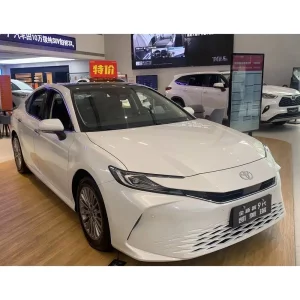
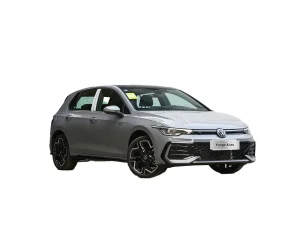
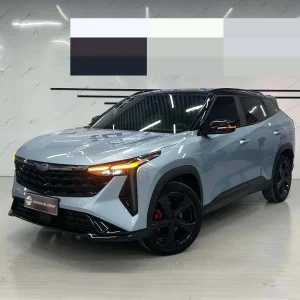
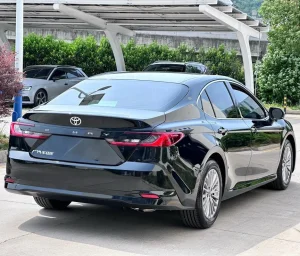
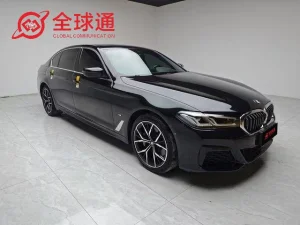
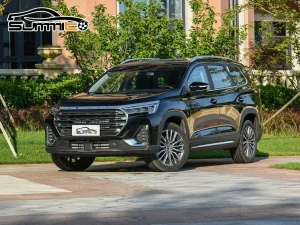
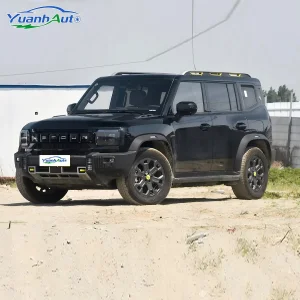
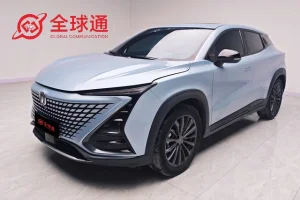
Flexible utility models, compact SUVs, and fuel-efficient sedans tailored for urban and regional use cases.
Addressing the technical, regulatory, and logistics queries of regional procurement officers.
Connect with our engineering and logistics specialists to receive detailed product sheets, high-resolution media packages, CIF Kigali pricing, and customs clearance plans.
Send Inquiry Now