Levers Auto
Levers Auto
Levers Auto

Decarbonization, urban planning, and micro-mobility demands are reshaping global commercial transport and municipal operations.
Low Speed Vehicles (LSVs)—typically classified as four-wheeled motor vehicles with a maximum speed of 25 mph (40 km/h) and a gross vehicle weight rating (GVWR) under 3,000 lbs (1,361 kg)—are experiencing massive adoption rates across the globe. Today, these vehicles serve as crucial infrastructural assets for municipal transit, real estate management, campus mobility, and zero-emission delivery operations.
In North America, neighborhood electric vehicles (NEVs) are legally integrated into public roads with speed limits up to 35 mph, subject to Federal Motor Vehicle Safety Standard 500 (FMVSS 500). Simultaneously, Europe's L6e and L7e quadricycle frameworks have opened doors for dense urban cargo distribution and micro-logistics. By moving away from full-sized internal combustion commercial vehicles, operators reduce operating expenses by up to 65% and eliminate localized exhaust emissions entirely.
How Chinese industrial clusters deliver unmatched performance, safety standards, and pricing leverage for international buyers.
China hosts the world’s most dense supply chain ecosystem for electric vehicles. From raw lithium processing and high-performance battery cells (such as LiFePO4 chemistry) to brushless DC (BLDC) motors and transaxle assemblies, everything is sourced within a single industrial province. This geographical concentration drastically reduces material lead times, lowers transit overheads, and guarantees component compatibility.
Modern Chinese LSV manufacturers implement robotic chassis welding, cathode electrophoretic dip coating (ED paint) for corrosion resistance, and automated electrical diagnostics. Quality management systems are built on IATF 16949 standards, which translates directly to zero-defect quality processes that easily match established passenger car manufacturing standards.
High domestic volume allows Chinese factories to amortize tooling and mold development costs rapidly. For the overseas buyer, this means highly accessible pricing structures even on customized OEM specifications. Whether it is tailored paint schemes, specific seating configurations, utility box custom dimensioning, or specialized battery packs, customization is financially viable.
Deploying low-speed electric vehicles across diverse sectors to maximize operational efficiency and productivity.
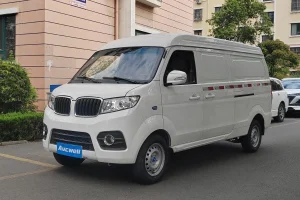
The rise of micro-fulfillment hubs requires compact transport solutions that can traverse congested alleys and limited parking zones. Utilizing specialized vehicles like the Aucwell Electric Cargo Minivan, operators can safely transport cold chain items, fresh agricultural produce, and general e-commerce packages directly to suburban homes and downtown storefronts with zero fuel consumption and minimal noise pollution.
Moving parts, tooling, and inspection teams across extensive manufacturing facilities or ports demands reliable, robust utility vehicles. Heavy-duty flatbed electric LSVs and custom passenger trams handle heavy tools, mechanical components, and maintenance staff, increasing operational up-time and keeping internal logistics fluid.
For high-end hospitality venues and private residential estates, passenger comfort and silent operations are critical. Classic convertible electric golf carts and passenger shuttles provide an elegant, open-air transit option for guests and residents, offering premium safety controls and a high-end travel aesthetic.
Analyzing the long-term ROI and engineering characteristics of the two primary power sources utilized in contemporary Low Speed Vehicles.
| Performance Metric | Lithium Iron Phosphate (LiFePO4) | Lead-Acid (Deep Cycle) | Business Impact for Fleet Operators |
|---|---|---|---|
| Lifecycle Durability | 3,500+ Charge Cycles (to 80% Capacity) | 500 - 800 Charge Cycles | Lithium outlasts lead-acid by up to 5x, reducing replacement frequency. |
| Charging Efficiency | 100% fast-charging capability (approx. 2-3 hours) | 8-10 hours slow cycle required | Minimizes vehicle downtime; supports opportunist multi-shift charging. |
| Weight Distribution | Lightweight (Approx. 60% weight reduction) | Extremely heavy, reducing payload potential | Lighter gross weight leads to less tire wear and higher load capacities. |
| Maintenance Overhead | Zero maintenance (integrated battery management system) | Regular water replenishment & terminal cleaning | Saves labor costs and eliminates risk of acidic spills/damages. |
| Energy Density & Range | High energy density; flat discharge curve | Declines rapidly under heavy load and cold temperatures | Consistent power delivery and predictable operational range. |
Navigating regional homologation standards to guarantee street-legal operation and swift customs clearance.
Importing LSVs requires close coordination to verify compliance with local road-safety and transport laws. Without proper certifications, imported fleets may be restricted to private property use or held indefinitely at customs entry points. Working with an authorized government exporter ensures that your order is matched with correct documentation from the onset.
As a leading wholesaler, distributor, and dealer authorized by the Chinese government, we provide complete compliance documentation alongside our vehicles. Our team supports you throughout the customs process, providing homologation compliance checklists tailored to your destination country.
Our expansive 9,000m²+ certified used car showroom features a wide selection of thoroughly inspected vehicles. We ensure every unit conforms to highest reliability standards before leaving port.
Get answers to critical technical, financial, and logistical questions frequently asked by B2B fleet managers.