Levers Auto
Levers Auto
Levers Auto
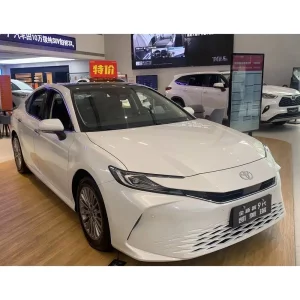
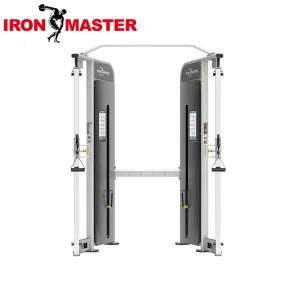
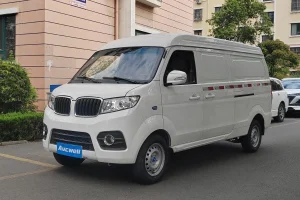
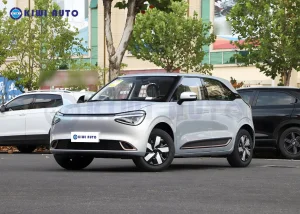
Explore our highly integrated equipment lineup, featuring cutting-edge components, industrial logistics vehicles, and advanced passenger platforms ready for international export.
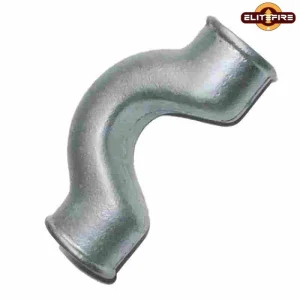
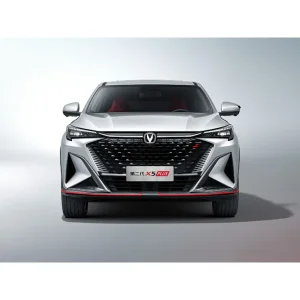
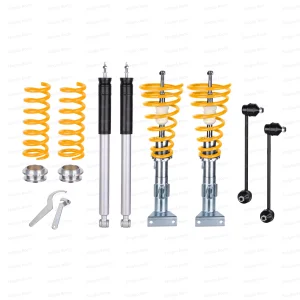
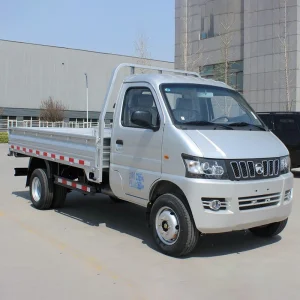
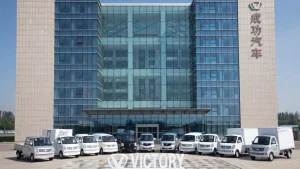

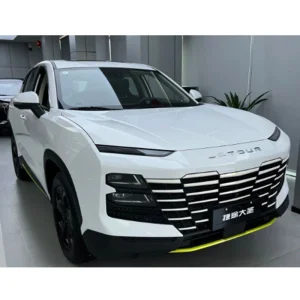
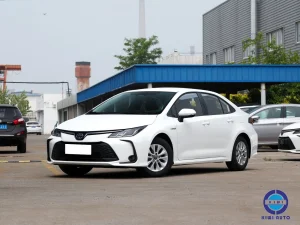
As a leading Chinese government-authorized automobile and equipment exporter, we bridge manufacturing excellence with global mining and transportation enterprises.
At the core of our operations is a massive, state-of-the-art 9000m²+ certified showroom. Each commercial vehicle, transport truck, and heavy-duty unit is subjected to rigorous, multi-point technical inspections to ensure optimal field reliability, peak performance compliance, and long-term operating safety. Whether you require immediate delivery of light transport logistics vehicles or structural machinery components, our facility holds certified, export-ready units customized for international operations.
An in-depth analysis of high-payload transport requirements and macroeconomic shifting in raw material logistics.
The global mining sector is undergoing a profound transformation. As shallow mineral deposits deplete, extraction operations must dig deeper, increasing the average haul distance and slope severity of modern mine roads. In this demanding landscape, mining trucks serve as the vital arteries of production. Choosing the correct supplier determines whether a project maintains maximum throughput or suffers costly downtime.
Currently, the industry faces pressure to optimize production processes while reducing environmental impact. Modern open-pit mining operations require heavy vehicles that deliver both exceptional structural durability and advanced computerized monitoring systems. Global demand for high-capacity mining trucks (ranging from 100-ton to 400-ton payloads) remains strong, driven by copper, lithium, iron ore, and gold extraction projects across Australia, South America, and Africa.
Consequently, top manufacturers are shifting away from traditional diesel-only drivetrains. The modern procurement officer evaluates equipment based on continuous operational reliability, fuel efficiency, and compatibility with automated fleet dispatch systems. In this competitive landscape, suppliers must offer comprehensive service agreements, immediate replacement parts access, and custom engineering support to match specific mine layouts and climate conditions.
High-strength alloy chassis designs engineered to withstand torsion and impact fatigue under extreme payload stress cycles.
Advanced diesel-electric drives and battery-electric models calibrated for peak thermal efficiency and maximum uphill haulage speed.
Integrated anti-collision radar, dynamic stability control, and automatic fire suppression systems designed to protect mine personnel.
Why modern mining companies are shifting from initial purchase cost to long-term lifecycle value.
In major extraction projects, mining trucks represent one of the largest capital expenditures. However, the purchase price represents only a fraction of the Total Cost of Ownership (TCO) over the vehicle's 10-to-15-year operational life. Procurement managers evaluate suppliers using strict performance metrics, focusing on uptime reliability, fuel burn rates, tire wear dynamics, and component rebuild intervals.
Uptime is the most critical metric. When a 200-ton haul truck sits idle for unscheduled maintenance, it disrupts the entire production chain, idling loading shovels and slowing down processing plants. Modern buyers seek partners that offer structured preventive maintenance schedules, rapid spare parts logistics, and remote telemetry monitoring to diagnose mechanical issues before they cause field failures.
Furthermore, supply chain localization has become essential. Mining operations are often located in remote regions, such as the high-altitude Andes or the remote Australian Outback. A supplier’s ability to establish regional parts depots, train local technicians, and provide round-the-clock technical support is just as important as the mechanical design of the truck itself.
Global operators cannot afford multi-month project delays. Flexible manufacturers with streamlined shipping lanes and robust inventory management secure a clear advantage.
Real-time vehicle health diagnostics and CAN-bus telemetry integration allow dispatchers to track load status, transmission stress, and brake wear live.
Engines, wheel motors, and dump bodies must be designed for multiple rebuilds, extending the operating life of the asset and reducing waste.
Analyzing the shift toward zero-emission powertrains and autonomous operations in heavy vehicle design.
The heavy vehicle sector is experiencing rapid technological change. The main driver of this shift is decarbonization. With major global mining corporations committing to net-zero carbon operations by 2050, standard high-horsepower diesel engines are being replaced by hybrid systems, pure electric battery setups, and hydrogen fuel cell powertrains.
Developing zero-emission heavy trucks presents unique challenges. A fully loaded 300-ton haul truck requires immense energy, especially when climbing steep, unpaved ramps out of deep open-pit mines. Battery-electric models rely on advanced regenerative braking systems, converting gravity energy back into battery power during downhill trips. This cycle can recover up to 40% of the energy needed for the next uphill run.
At the same time, autonomous haulage systems (AHS) are moving from experimental trials to widespread operational deployment. Autonomous fleets run continuously without operator breaks, follow optimized travel paths to reduce tire wear, and maintain safe, consistent speeds. This automation increases safety, reduces maintenance costs, and makes mining operations more predictable.
Adopting high-capacity LFP and NMC battery chemistries that support rapid megawatt charging for continuous field operations.
Developing hydrogen power systems for ultra-heavy duty cycles where fast refueling is critical for operational efficiency.
Integrating LiDAR, high-precision GPS, and obstacle detection to run operations without operators on site.
Using overhead electric lines on steep haul roads to power trucks directly, saving diesel and increasing uphill speeds.
How advanced manufacturing facilities and regional logistics networks deliver high-quality machinery worldwide.
China’s heavy machinery sector has transformed from an assembly-based industry into a hub of high-precision smart manufacturing. By adopting Factory 4.0 standards, Chinese heavy vehicle factories utilize automated welding robots, CNC machining centers, and real-time digital quality control systems. This automation ensures high manufacturing consistency and structural reliability.
A key strength of Chinese heavy vehicle manufacturing is its integrated supply chain. Engine plants, transmission factories, hydraulic component producers, and electronics suppliers are co-located in major industrial clusters. This close proximity reduces shipping costs, speeds up design improvements, and protects production from global supply chain disruptions.
Additionally, Chinese manufacturers benefit from domestic advancements in batteries and vehicle electronics. Working with major battery producers allows vehicle suppliers to design hybrid and electric powertrains that are cost-effective and highly reliable. This integration of raw steel processing, precision component manufacturing, and digital assembly makes Chinese equipment competitive worldwide.
Exporters like Changchun Levers Auto Service Co., Ltd. utilize this advanced manufacturing base to supply certified vehicles and custom parts globally. With 30 years of export experience and government authorization, they manage complex shipping regulations, perform pre-export inspections, and coordinate delivery to major mining projects worldwide.
Factories employ advanced ultrasonic weld testing, coordinate measuring machines (CMM), and simulated stress test rigs. These testing protocols ensure that every chassis and dump body meets international fatigue resistance standards before leaving the factory.
Our experienced export teams manage heavy-haul ocean shipping, roll-on/roll-off (RoRo) transport, and customs clearance procedures. We ensure that heavy machinery, spare parts, and support vehicles arrive at project sites on time and ready for work.
Custom engineering configurations designed to handle extreme cold, high altitudes, and hot desert environments.
Standard vehicles cannot handle the diverse and harsh environments of global mining operations. Equipment must be configured for the specific climate and topography of each project. Top-tier suppliers customize vehicle configurations to maintain high performance in extreme environments.
For example, in high-altitude regions like the Andes in South America, lower oxygen levels can reduce the power of standard diesel engines. To maintain performance, engines are equipped with multi-stage turbochargers and custom fuel injection systems. Similarly, operations in cold climates like Siberia require heater kits for engines, batteries, and operator cabins to prevent fluids from freezing.
Conversely, operations in hot, dry climates like Western Australia require high-capacity cooling systems, multi-stage engine air filters, and dust-resistant seals for electrical connections. By tailoring vehicle configurations to local conditions, mine operators can prevent unexpected breakdowns, extend component life, and maintain steady production rates.
Equipped with altitude-compensated engine maps, upgraded turbochargers, and heavy-duty braking systems to manage long downhill slopes safely.
Equipped with engine block heaters, low-viscosity synthetic lubricants, thermal insulation, and heated steel dump bodies to prevent materials from freezing to the truck bed.
Equipped with large radiator arrays, dual-stage air pre-cleaners, and pressurized, air-conditioned cabs to keep operators safe and comfortable.
Detailed technical answers to common queries regarding commercial vehicle procurement, logistics, and parts sourcing.
When evaluating suppliers, key factors include total lifecycle cost (TCO), supplier manufacturing capacity, and their global support network. It is important to confirm that they provide comprehensive parts support, telemetry integration, and flexible shipping options. Partnering with experienced exporters, such as Changchun Levers Auto Service Co., Ltd., ensures access to reliable shipping services and thorough vehicle inspections.
Electric utility and support vehicles significantly reduce onsite diesel fuel costs and lower exhaust emissions in underground mines and pits. They require less routine maintenance than diesel vehicles and can use regenerative braking to recover energy on downhill descents, lowering overall operating costs.
Exporting commercial vehicles from China requires official government authorization, customs export permits, and compliance certificates for the destination country (such as CE, DOT, or regional standards). Working with an authorized exporter ensures that all paperwork, customs inspections, and shipping logistics are handled correctly.
Custom weatherization protects critical vehicle components from extreme heat, dust, and freezing temperatures. Using appropriate lubricants, seals, and heating or cooling systems prevents premature component wear, reduces unexpected downtime, and extends the operational life of the vehicle fleet.
China's Factory 4.0 model combines advanced automation and smart manufacturing with integrated, local supply chains. This setup reduces production lead times, keeps manufacturing consistent, and allows for rapid customization of vehicles and components at competitive prices.
Explore our complete range of passenger transport models, light utility vehicles, and specialized maintenance components.